
How to Manage Business Travel Burnout
5 ways that travel can affect your mental health (and what to do about it)Travel broadens the mind…
It might be a cliche, but that doesn’t mean it’s not true. Visiting new cities, embracing different cultures, and working with colleagues across borders – travel opens many doors that lead to unforgettable experiences.
However, travel can also be physically and mentally draining. Hopping from an airport to a boardroom to a hotel and back again, all while away from the comforts of home and family, can take its toll. And getting every ounce of value out of a trip is a constant balancing act between getting from A to B and managing the stress of being away.
In this article, we give 5 ways that travel can lead to burnout and how travellers and travel bookers can better manage the impact it can have on mental health.
5 Ways Business Travel Can Lead to Burnout
(and what you can do about it)
1. Fatigue and Lack of Sleep
Business travel involves crossing time zones, early flights, late arrivals, and new beds in unfamiliar hotels. All of this can disrupt regular sleep patterns, leaving travellers fatigued and less prepared for a day of work. But it’s not just about tiredness. According to sleep deprivation studies reviewed by Columbia University, a lack of sleep in otherwise healthy people can lead to increased levels of anxiety and even distress.
What TRAVELLERS Can Do
- Keep in touch with friends and families via video calls.
- Maintain hobbies and routines while away (gym, journalling, cooking etc.)
What TRAVEL BOOKERS Can Do
- Encourage team check-ins during trips
- Avoid booking unnecessarily long solo trips
- Rotate travel responsibilities fairly across the team (if possible)
2. The Stress of Uncertainty
Humans are creatures of habit. We love patterns and live our lives by routine, no matter how loose they might seem. The best time to eat dinner. The preferred route taken on the commute home. Most decisions we make conform to some kind of logic that we’ve conjured up in our desire to maintain control of our lives. Travel can lead to a lot of new routines and uncertainty. Schedules change. Flights can be delayed or cancelled. It pushes us headfirst into the world of the unknown, and that can be scary.
In fact, according to a report published in the Journal of Mental Health, 79% of studies reported a positive association between uncertainty and mental health problems.
What TRAVELLERS Can Do
- Keep in touch with your TMC or travel booker to stay in the loop
- Travel with “contingency” essentials in your carry-on luggage
What TRAVEL BOOKERS Can Do
- Ensure that travel support can be accessed 24/7
- Communicate emergency and disruption procedures clearly
- Use reliable online booking tools, like Gray Dawes Travel’s YourTrip.
3. Increased Loneliness and Isolation
Frequent travel takes people away from their friends and families, sometimes for weeks at a time. Suddenly casual social interactions that are barely worth thinking about – the “what’s for dinner tonight?” chats or the casual pint with a colleague after work on a Friday – become conspicuous by their absence. Loneliness can be an all-consuming feeling, especially if expereinced in an unfamiliar country, and can have a negative impact on a person’s mental health.
What TRAVELLERS Can Do
- Keep in touch with your TMC or travel booker to stay in the loop
- Travel with “contingency” essentials in your carry-on luggage
What TRAVEL BOOKERS Can Do
- Ensure that travel support can be accessed 24/7
- Communicate emergency and disruption procedures clearly
- Use reliable online booking tools, like Gray Dawes Travel’s YourTrip.
We’re There for You When You Need us Most
At Gray Dawes Travel, we understand the needs of the modern business traveller. That’s why we’re ‘Always On’, offering 24/7 support via our experienced team of friendly travel experts. So no matter where (or when) you or your travellers are in the world, you can rely on us to be there when things don’t quite go to plan.
We’ve also taken duty of care and traveller tracking to a whole new level with our awesome TripSure technology.
4. Burnout from Never Switching Off
When thrown off their usual work routine, business travellers can feel a sense of pressure to “make up” any time they feel they’ve lost while on the move. They might log in at an airport while waiting for a flight or take a call in the lobby of a hotel, often with no regard as to whether it’s part of their ordinary working day. It’s a symptom of taking something with structure (their day-to-day work) into a territory where the rules have changed. And it can lead to someone working longer hours and pushing themselves to their limits.
What TRAVELLERS Can Do
- Set realistic boundaries and don’t feel pressure to work more than you need to.
- Protect downtime after long flights or meetings.
What TRAVEL BOOKERS Can Do
- Avoid scheduling meetings after long travel days.
- Measure outcomes rather than an employee’s “on” time.
- Encourage rest and recovery to employees abroad.
5. A Neglect of Physical Health
Travelling for work often involves a lot of sitting down (whether on a flight or train) and usually involves trips between offices and hotels, with few opportunities to get the body moving. This is far from being a problem reserved for those looking to chisel a summer six-pack. Numerous studies show that there’s an inextricable link between maintaining physical health and keeping the brain in tip-top shape. In fact, according to the Mental Health Foundation, adults achieving recommended physical activity levels have a 25% lower risk of depression.
What TRAVELLERS Can Do
- Schedule time for walks or light exercise.
- Try to maintain a healthy diet, even if eating out.
What TRAVEL BOOKERS Can Do
- Allow reasonable expenses for healthy food options
- Encourage wellbeing over cutting travel costs.
- Choose a hotel with fitness or wellness facilities.
Maintaining an Employee’s Mental Health While Travelling for Work Should Always be a Priority
Travel can be rewarding. But it can also be stressful. It can take people away from their friends and family, sometimes weeks at a time, and normal routines tend to go out of the window. Plus, the added pressure of feeling as though more time needs to be squeezed out of days that have been “lost” due to getting from one place to another can be exhausting.
But burnout can be avoided. By encouraging team check-ins, avoiding unnecessary “red-eye” flights, encouraging rest and recovery, and more, travellers can get the absolute most out of their trip and return feeling more inspired than ever.
Related Articles

The Economics of a Flight
To most passengers, an aircraft full of people looks like a guaranteed success. But the economics behind every flight tell a very different story. Airlines operate one of the most complex business models in the world, where millions of pounds of investment, thousands of operational decisions, and razor-thin margins all come together for a single journey.
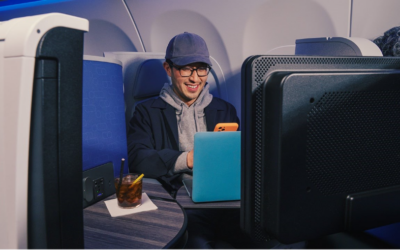
Arrive in Mint® Condition
There’s a lot happening at JetBlue right now. Here’s the latest on their award-winning Mint® product, expanded transatlantic routes and everything they need before their next trip across the Atlantic. JetBlue operates nonstop flights from London Heathrow and London Gatwick to New York JFK and Boston, plus Edinburgh to Boston, with connections to over 100 destinations across the US, Latin America and the Caribbean.

Warsaw: A Business Traveller’s Guide
For business travellers, Warsaw offers plenty of excellent opportunities. Whether you’re attending meetings in the gleaming office towers of Wola or exploring the city’s rich cultural heritage after hours, Warsaw consistently delivers. In this comprehensive guide for business travellers, we help you navigate Warsaw’s unique business ecosystem, share practical tips for getting around, and highlight our top 3 things to see or do to make your trip unforgettable.