
Oslo: A business traveller's guide
A guide to Norway's capital city, where Scandinavian innovation and international business move in the same circlesTravelling to Oslo?
Are you planning on travelling to Oslo for work? Get to know the cultural gemstone of Norway and one of the homes to our strategic partner Berg-Hansen better in this comprehensive guide for business travellers.
Set against the backdrop of the sparkling Oslofjord, the city has transformed from a Viking-era trading settlement (where it was known as Ánslo) into one of Northern Europe’s most forward-thinking corporate communities.
With a reputation for flying the flag for sustainable business and championing a way of life that prioritises people and their quality of life over cold, hard profit, Oslo is a hotbed for ambitious start-ups and forward-thinking global organisations.
Indeed, the city streets are marbled with the fat of industry, stretching from the established centre of Aker Brygge to the modern office developments of Bjørvika and the Barcode Project. Prominent among them are businesses that put their stock in the maritime, finance, and renewable energy sectors, all of which have contributed to the city’s 276% increase in economic value since 2016.
In this comprehensive guide to Oslo for business travellers, we’ll take a closer look at navigating the city’s unique corporate landscape, share our top tips for getting around, and pick out three of the best things to see or do when you have some time away from the meeting room.
🇳🇴 Oslo Factfile
The seal of Oslo with the Latin phrase: "Unanimiter et Constanter" meaning "Unanimously and Constantly."
🌤 Average Temperatures
- Summer (Jun–Aug): 21°C (70°F)
- Spring (Mar–May): 9°C (48°F)
- Winter (Dec–Feb): 2°C (28°F)
- Autumn (Sep–Nov): 9°C (48°F)
Getting to Oslo
By air
Med flyOslo is served primarily by Oslo Airport Gardermoen (OSL), Norway's main international airport, located approximately 30 miles (48 km) north of the city centre. From here, the Flytoget Airport Express Train provides one of the quickest connections into the city, reaching Oslo Central Station in approximately 20 minutes.
By rail
Med togOslo is well connected to other Norwegian cities and parts of Scandinavia through its national rail network. Oslo Central Station (Oslo S) is the city's main railway hub, with services operated by Vy connecting the capital with destinations including Bergen, Trondheim and Stavanger. International rail connections are also available to Sweden, with services running between Oslo and Stockholm.
By road
Med BilOslo is linked to an extensive road network, with the E6 providing a major north-south route and the E18 connecting the capital with destinations to the west and south. Taxis and app-based transport services are readily available throughout the city. However, Oslo has invested heavily in sustainable transport, and driving is often unnecessary.
Business culture & etiquette
Norwegian workplaces tend to have relatively flat hierarchies, with less emphasis on job titles and seniority than in many other business cultures. Employees are generally expected to contribute to discussions, and decisions often involve input from across the team rather than coming solely from senior management.
Greetings
Introductions are generally relaxed, with a firm handshake and a simple ‘Hei’ (hello) enough to make a good first impression. First names are widely used, too, even when meeting someone for the first time.
Meetings
Meetings tend to be relatively informal, with little time spent on lengthy introductions or unnecessary formalities. Norwegians generally favour clear communication, so keep presentations concise and avoid exaggeration.
Discussion is often collaborative, with input from different members of the team helping to shape decisions. Don’t assume that the most senior person in the room will necessarily make the final decision by themselves.
Relationships
Building business relationships in Norway is generally a gradual process. The key is to show that you understand your business, deliver on commitments, and can be relied upon to keep your promises.
Work-life balance is also an important feature of Norwegian working culture. Indeed, OECD figures show that employees in Norway worked an average of 147 fewer hours in 2025 when compared to those in the UK. So don’t assume people will want to continue talking business after office hours.
💡 Top Travel Tip
Don't mistake Norway's relatively informal business culture for a lack of professionalism. Punctuality, proper preparation and honesty are all still highly valued.
Safety & practical advice
Though Oslo recorded 103 reported offences per 1,000 residents in 2025, a figure that may appear quite high by international standards, the majority of these were property-related crimes which are not likely to affect business travellers.
Food & Drink
Local specialities include Norwegian salmon, reindeer and brunost, a distinctive brown cheese made from whey. Seafood is particularly prominent, a reflection of the city’s strong maritime heritage.
Coffee is also deeply ingrained in Norwegian life, with around nine in ten adults drinking it and two-thirds enjoying a cup daily. Independent cafés serve everything from Italian espresso to lighter Nordic-style filter coffee.
Out & About
Sustainability is a major part of the city’s identity, reflected in its extensive public transport network, cycling infrastructure and ambition to become a fossil-free city by 2030. Outdoor activities are equally important, with forests, lakes, hiking trails and the Oslo Fjord all easily accessible from the city centre.
Weather
Oslo experiences four distinct seasons, with relatively warm summers and cold, snowy winters. During the winter months, temperatures frequently fall below freezing, and snow and icy conditions are common. If you’re visiting between December and February, make sure you pack warm clothing and footwear with good grip.
Emergency Services
Norway has three main emergency telephone numbers:
110: Fire and rescue services.
112: Police.
113: Ambulance and medical emergencies.
For non-emergency medical assistance, you can contact the Norwegian out-of-hours medical service on 116 117.
💡 Top Travel Tip
Oslo is one of Europe's more pedestrian-friendly capitals, but winter conditions can make pavements slippery. If you're travelling between meetings during the colder months, invest in comfortable footwear with good grip and allow a little extra time for your journey.
Best destinations for business travellers
Sentrum
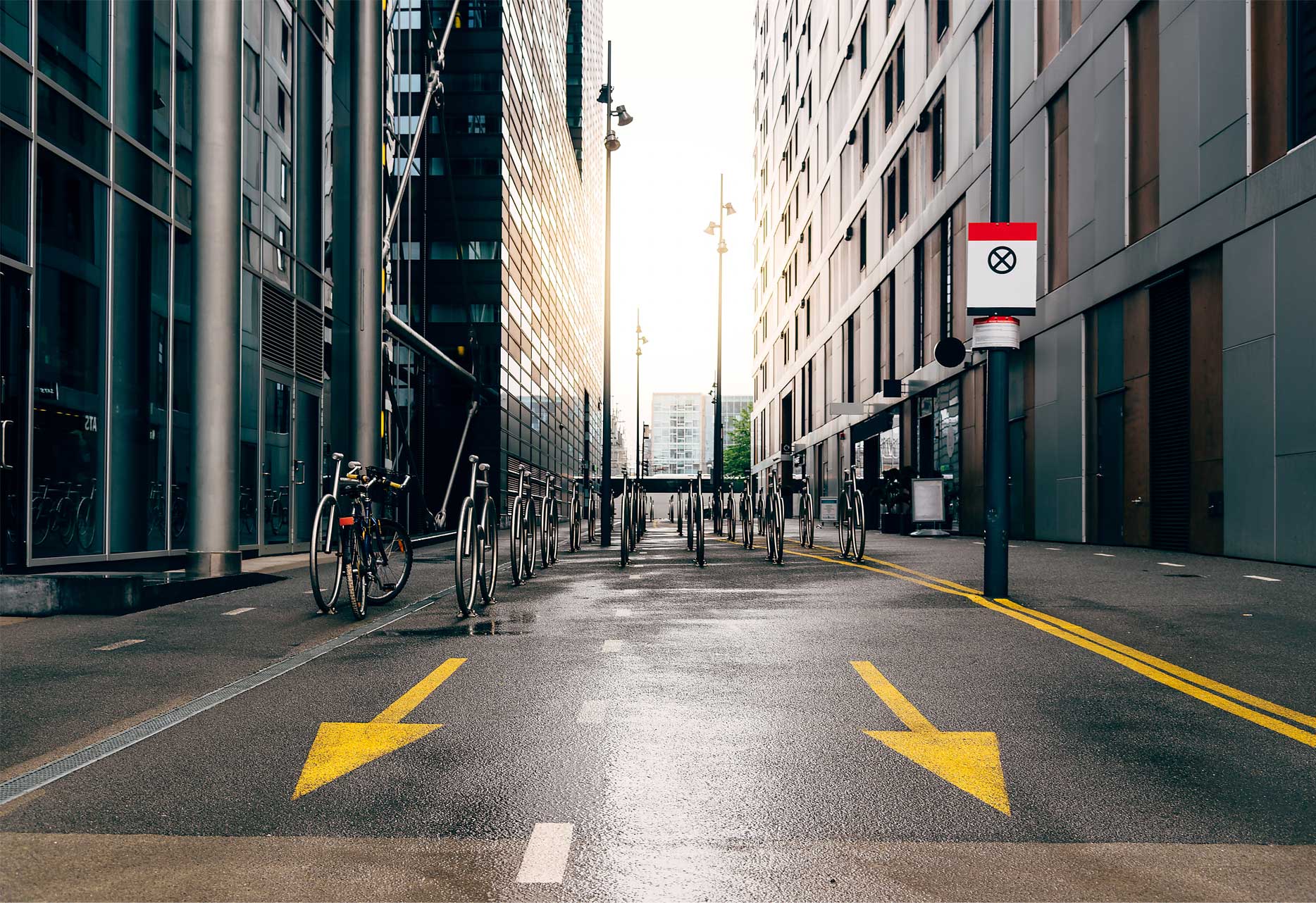
Oslo's central business district is centred around Sentrum, encompassing areas close to Karl Johans gate, Nationaltheatret and Oslo Central Station. It's one of the city's most convenient locations for business travellers, with a concentration of corporate offices, financial institutions, hotels and restaurants.
Bjørvika & Barcode
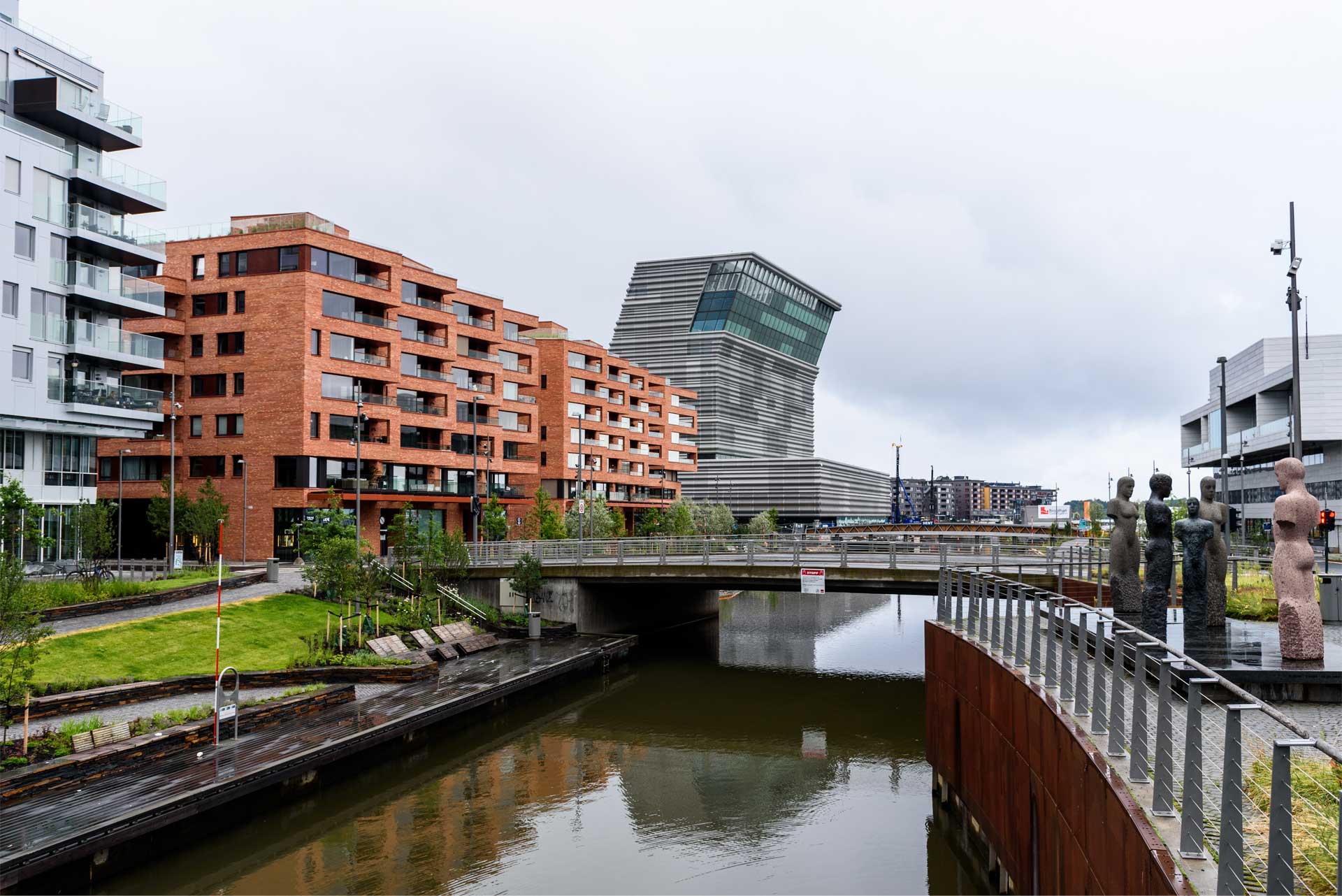
One of Oslo's most striking modern developments, Bjørvika has transformed the city's waterfront into a major destination for business and leisure. At its heart is the Barcode Project, a distinctive collection of contemporary high-rise buildings that house international businesses, professional services firms and corporate offices.
Aker Brygge & Vika
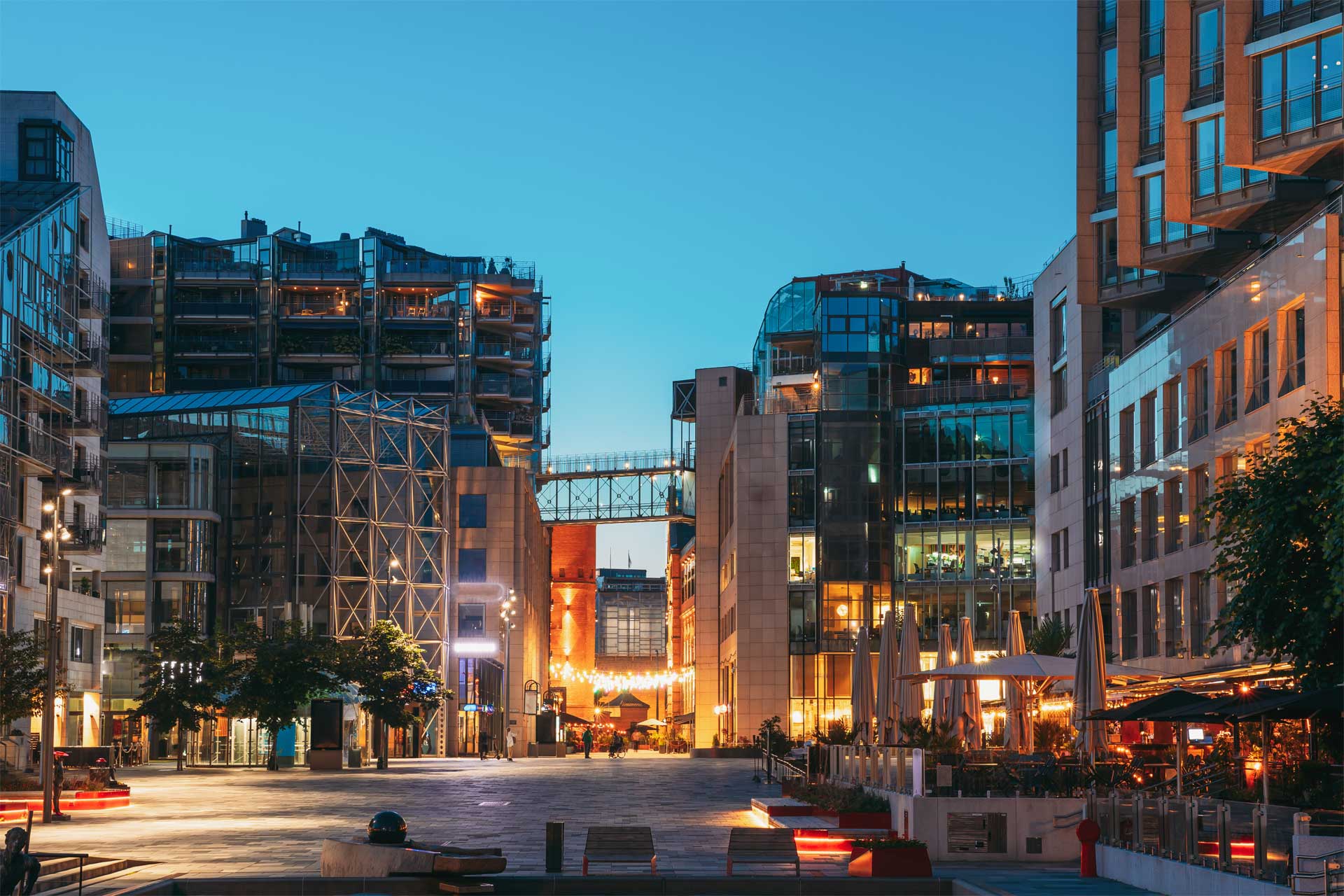
Situated along Oslo's waterfront, Aker Brygge is home to many organisations connected to Norway's maritime and financial industries. The area is particularly well known for its waterfront restaurants and for its proximity to the Royal Palace and Nationalthearet.
How to Get Around the City
Metro
Oslo's T-bane metro system is one of the most convenient ways to travel around the city. The network consists of five main lines, connecting central Oslo with residential neighbourhoods. Services are frequent, and stations are clearly signposted, making the network straightforward to navigate.
Trams
Oslo's tram network, known locally as Trikken, is another convenient option for getting around the city. Trams operate across several central routes, connecting key neighbourhoods the city centre. They're particularly useful for shorter journeys where the metro might not offer a direct connection.
Walking & Cycling
Oslo's compact city centre makes many of its main attractions easy to explore on foot. Cycling is another popular option, supported by an expanding network of dedicated routes. Oslo Municipality recorded an 82% increase in cycling traffic between 2014 and 2025, alongside a 70% expansion of its municipal cycling network. The Oslo City Bike scheme provides shared bicycles from more than 250 stations across the city.
Top 3 things to see or do in Oslo
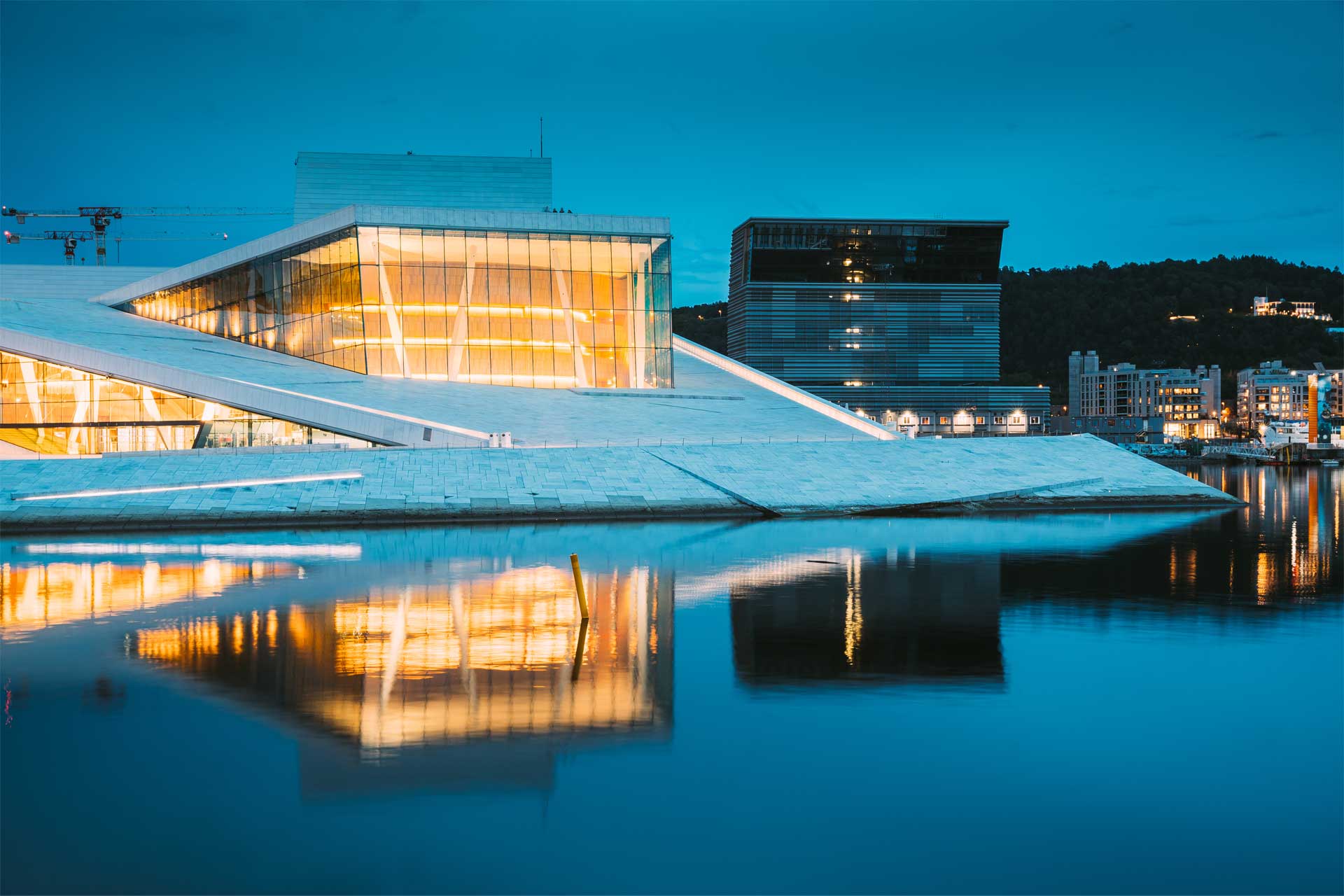
Oslo Opera House
One of Oslo's most recognisable landmarks, the Oslo Opera House is an architectural delight situated on the city's waterfront in the Bjørvika district. Designed by Norwegian architecture practice Snøhetta, the building is famous for its distinctive sloping roof, which visitors can walk up to enjoy panoramic views across the Oslofjord and surrounding cityscape.
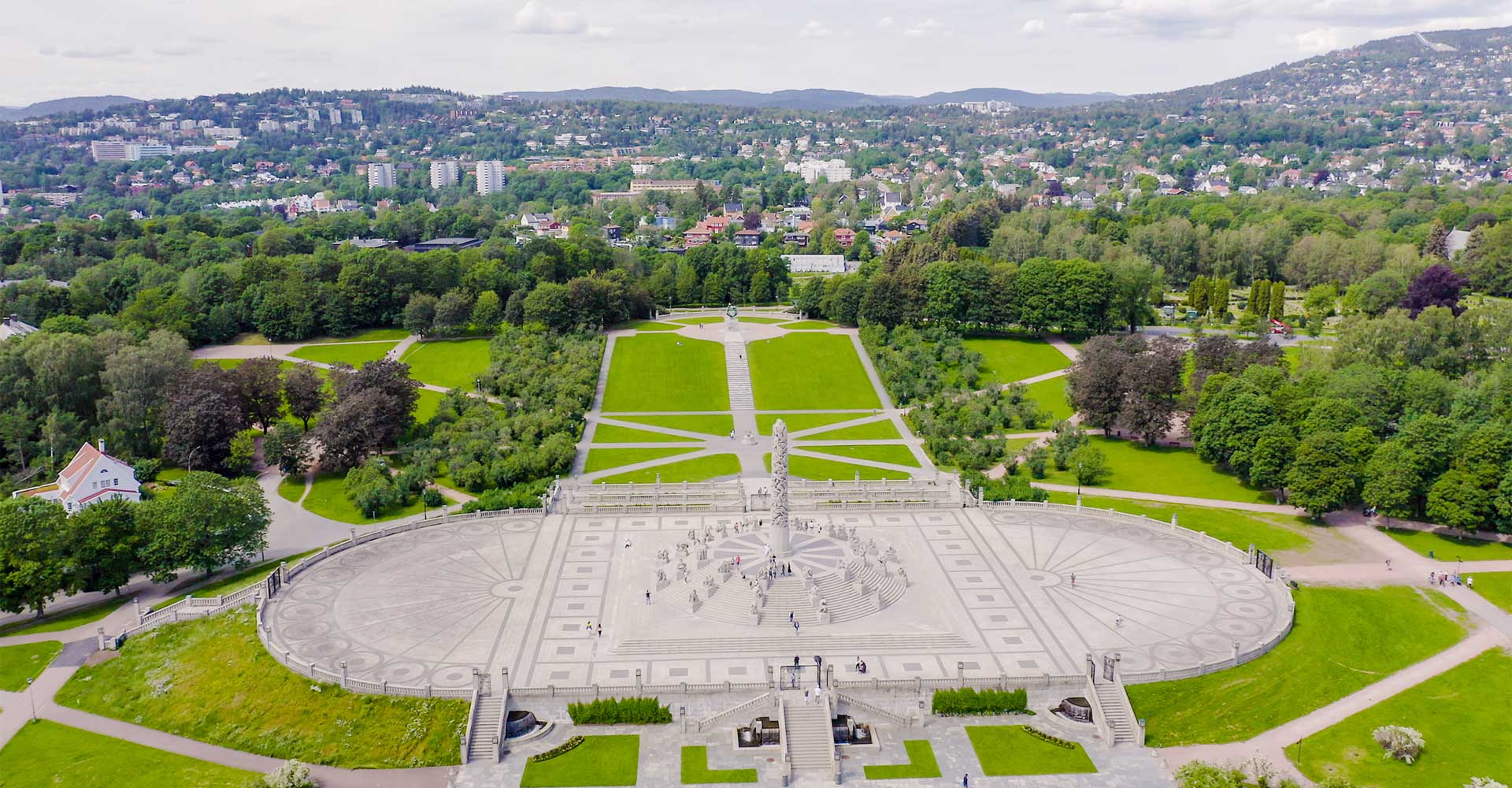
Vigeland Sculpture Park
If you need a break from the city rush, Vigeland Sculpture Park within Frogner Park is the place to go. It's home to more than 200 sculptures by Norwegian artist Gustav Vigeland, including the famous Monolith, a towering granite sculpture featuring intertwined human figures.The park is free to enter and can easily be explored in an hour or two, making it a good option for those with a little time between meetings.
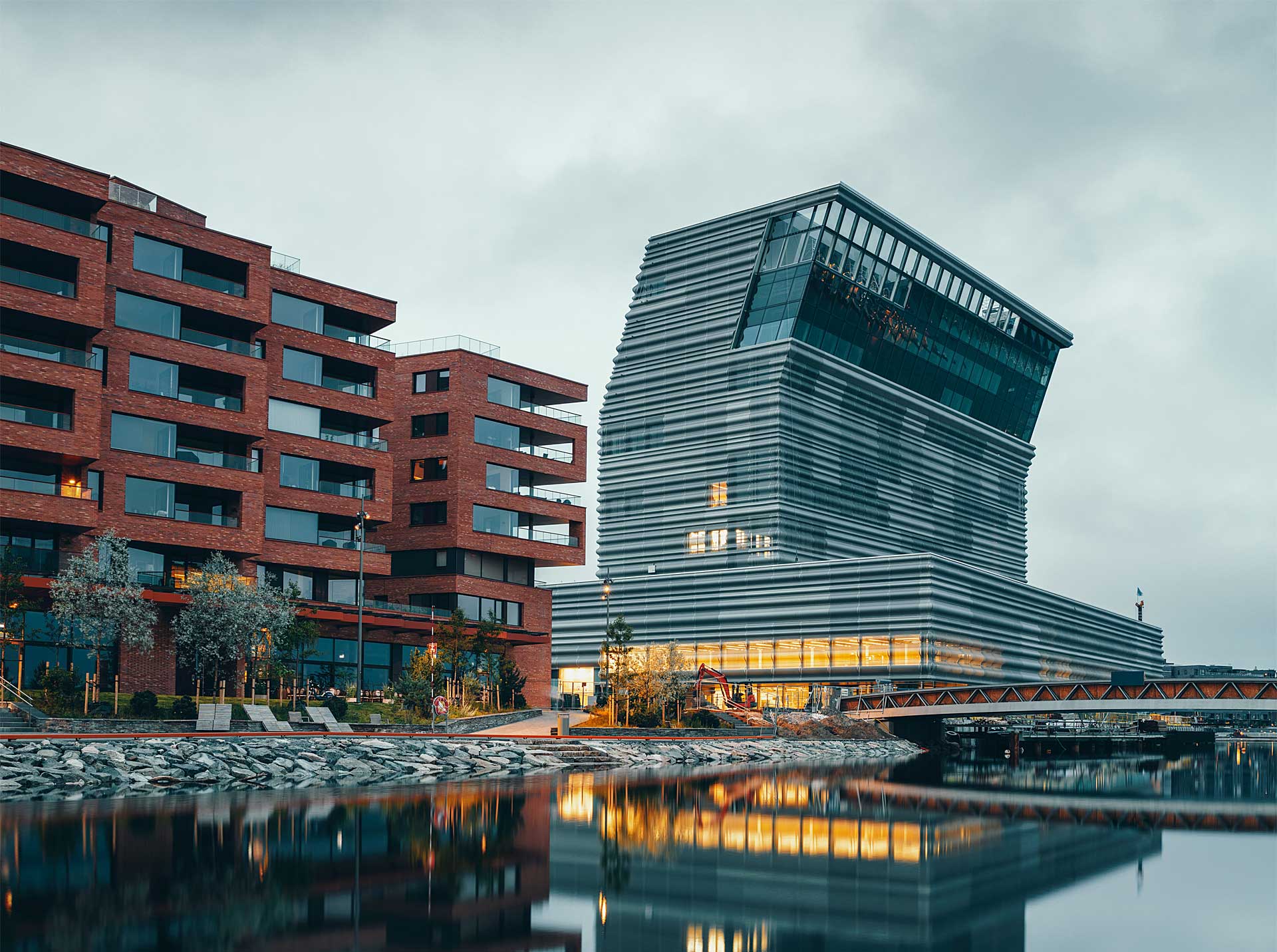
The MUNCH Museum
Dedicated to the life and work of Norwegian artist Edvard Munch, the MUNCH Museum is one of Oslo's leading cultural attractions. The museum houses an extensive collection of Munch's artwork, including several versions of his world-famous painting, The Scream. The museum's contemporary architecture is also impressive, with its striking waterfront position making it a distinctive feature of Oslo's modern skyline.
Discover Oslo…
Oslo has developed into one of Northern Europe’s most interesting business destinations, with established strengths in maritime industries, energy, finance and technology alongside a growing startup and innovation scene.
The Oslo region was home to 2,370 startups and scaleups in 2024, whose combined economic value had increased by 276% since 2016. This growth reflects the city’s expanding role in areas such as fintech, life sciences and clean technology.
Much of Oslo’s changing business landscape can be seen along its waterfront. Bjørvika and the Barcode district showcase the city’s modern commercial development, while Aker Brygge combines offices with restaurants, hotels and waterfront meeting spots. Beyond the business districts, the Norwegian capital offers plenty to explore, from the striking architecture of the Opera House and MUNCH museum to the green spaces of Vigeland Park and the islands of the Oslo Fjord.
For business travellers, Oslo offers something a little different: a growing international business community nestled within beautiful, Scandinavian surroundings.
City Guides

Bengaluru: A Business Traveller’s Guide
From its early days as a fortified settlement to its transformation into the capital of the state of Karnataka and one of India’s most important technology powerhouses, Bengaluru has built a reputation as a city with one foot in the future and another in the past. In this comprehensive guide to Bengaluru for business travellers, we’ll take a closer look at navigating the city’s unique corporate landscape, share our top tips for getting around, and pick out three of the best things to see or do when you have some time away from the meeting room.

Istanbul: A Business Traveller’s Guide
Are you planning on travelling to Istanbul for work? In this comprehensive guide to Istanbul for business travellers, we delve deeper into navigating the city’s unique corporate landscape, offer our top tips for getting around, and pick out our top 3 things to see or do to make your trip unforgettable.

Mexico City: A Business Traveller’s Guide
For business travellers, Mexico City is a destination with plenty to offer. Whether it’s attending meetings in Polanco, closing deals in Santa Fe, or enjoying authentic tacos and a tequila after a busy day, the city provides the perfect combination of business and pleasure. In this comprehensive guide for business travellers, we help you navigate Mexico City’s unique business ecosystem, share practical tips for getting around, and highlight our top 3 things to see or do to make your trip unforgettable.