
Introduction
The nostalgic image of British rail is one of long journeys through rolling, green hills, and summer jaunts from city streets to seaside sands. It’s an industry with a long history; the nation’s fondness for steel rails and steam engines stretching all the way back to the opening of the commercial Liverpool and Manchester Railway in 1830.
But the bond between the UK and rail has grown increasingly rocky in recent years. The news that Eurostar’s London to Amsterdam route is to be suspended until 2024 is unfortunate news that pales in comparison to reports Eurostar are ending their services to Disneyland Paris from Ashford and Ebbsfleet International stations – both of which have been closed since March 2020.
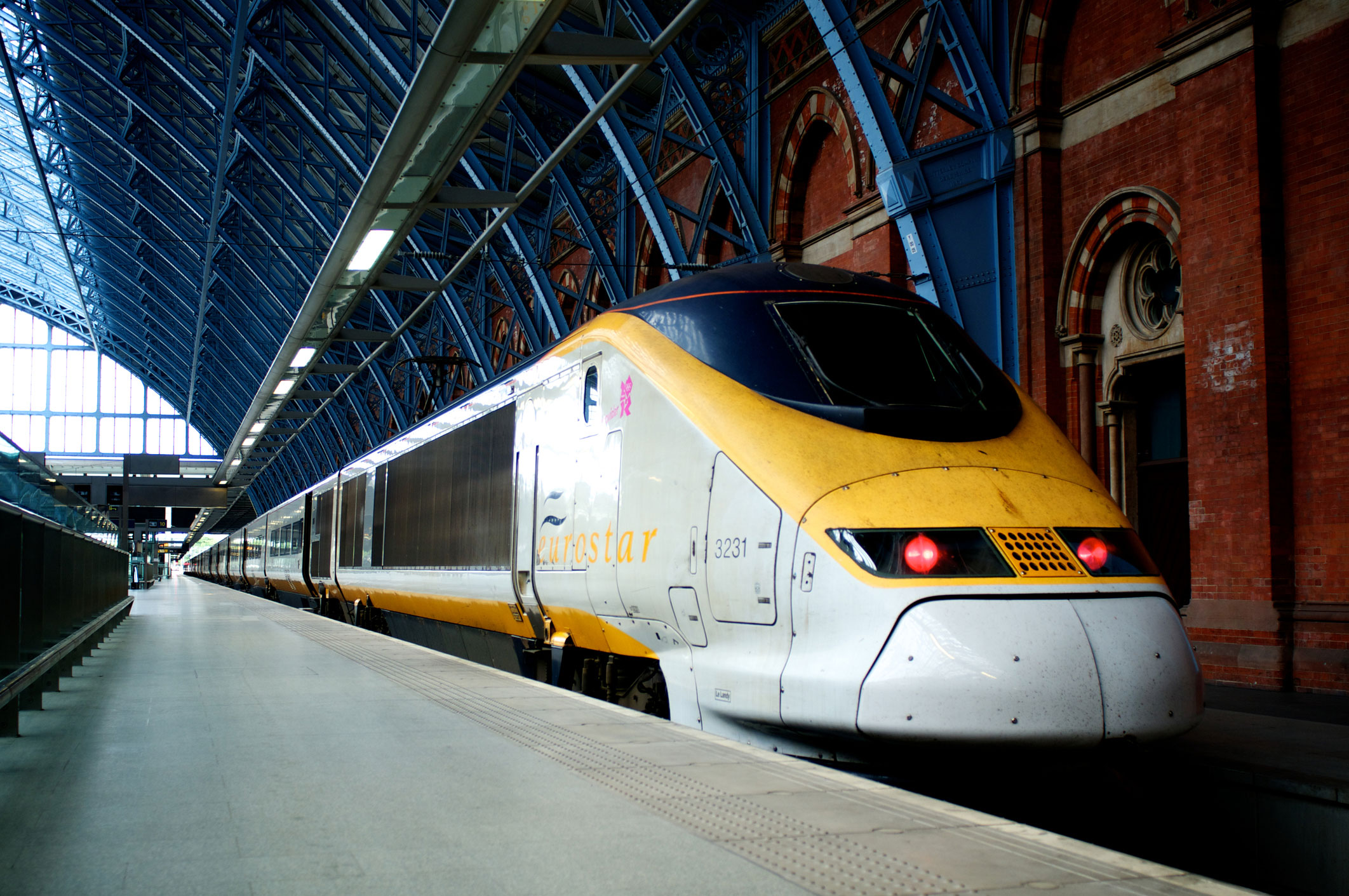
Such stories seem to point to a lack of desire to address post-Brexit challenges of running services from the UK to the European mainland and a reluctance to invest. But is that about to change?
The Future of UK Rail
Last month, UK Rail minister Huw Merriman revealed that the UK Government were keen to encourage competition on cross-Channel routes from London to European destinations such as Brussels and Paris.
In a speech delivered to Parliament’s transport select committee, Mr Merriman said:
“The only way we’re actually going to bring prices down, get more people on, it’s getting more operators on there [the cross-Channel routes]. And I think that’s my ambition for it.”
Though previous attempts at introducing competition on the line have proven less than successful – efforts from both Deutsche Bahn in Germany and Renfe in Spain failing in the last decade and a half – Getlink, the owners of the Channel Tunnel, have suggested that they could run their own train fleet and remain competitive.
the number of mainline train stations across Britain
miles of British railway that is now electrified (38%)
approximate number of employees of Train Operating Companies
percentage of trips taken via rail compared to other transportation in England*
Statistics taken from the official GOV.UK Rail Factsheet 2022 | *taken from 2020 data
A Greener Route
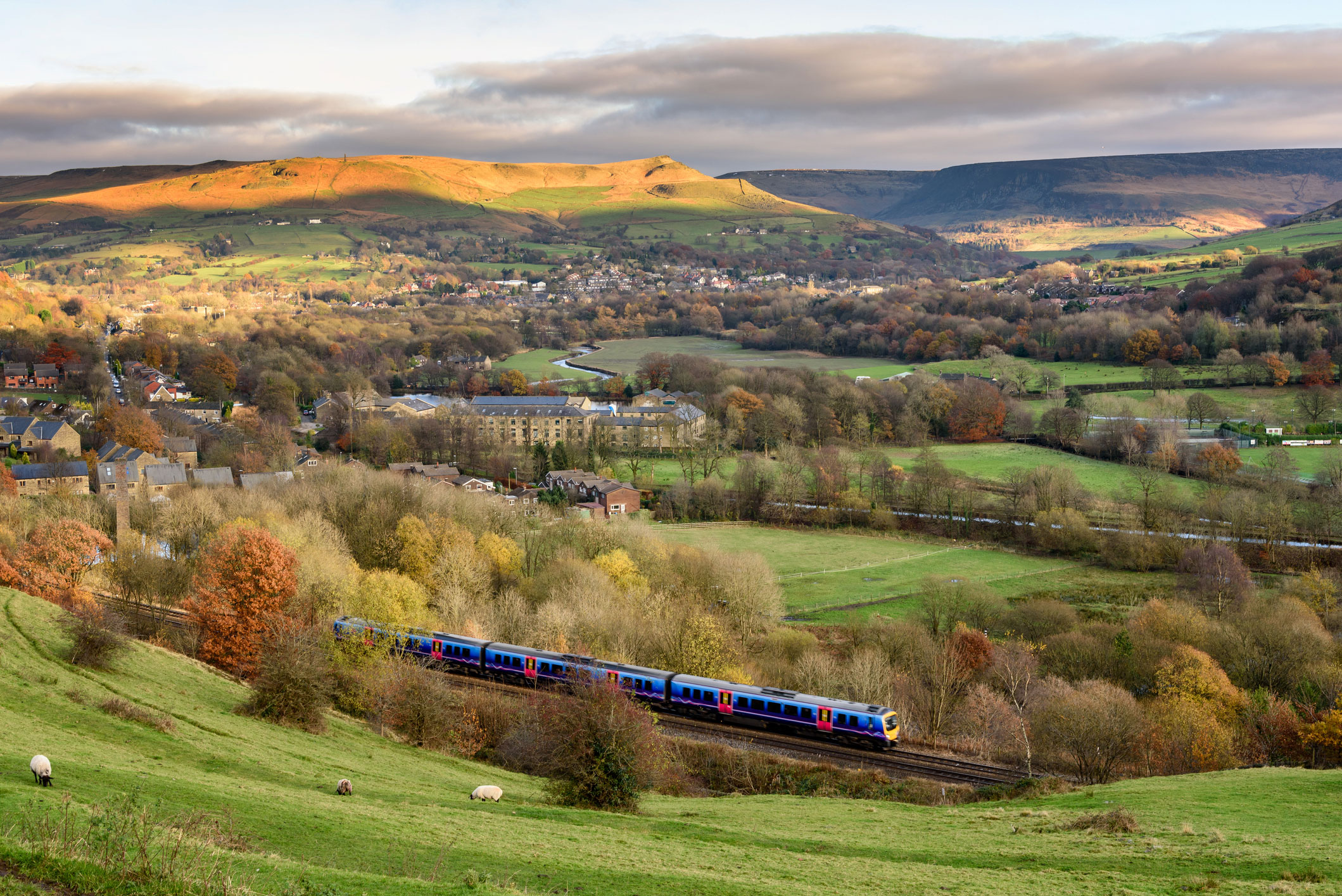
The news is not only a beacon of hope for the UK rail economy, but also for the champions of more sustainable travel. According to a report from the BBC, the CO2 emissions per passenger for each kilometre (km) travelled is 6g for the Eurostar and 41g for a domestic train. Compare this to the 171g emitted by a single-passenger car and the 254g from domestic flights, and the green picture is clear.
“We all know that rail is the lowest carbon method for travel. Businesses and travellers want to travel more by train and are prepared to travel up to 4 hours by day and much more by night, which means that lots of places can be linked, and we can use them to decarbonise.
“At Gray Dawes Travel we are delivering ‘modal shift’ reporting and technology at time of booking and our clients want options to do this.
“It’s therefore vital that there is growth (not contraction) in international rail train and destinations happening soon. Government and corporate investment into this would be an effective way to decarbonise travel and much cheaper than many projects looked at.”
Ian Currington, Director of Account Management & Client Implementation at Gray Dawes.
In Conclusion
It appears that there is plenty for the UK rail industry to be optimistic about after enduring a few difficult years. The news that the UK Government is willing to invest time into making cross-Channel services more competitive, and by extension more profitable, is especially welcome; the introduction of new services from the UK to the European mainland has the potential to open up fresh opportunities for business travellers.
Our team of dedicated business travel specialists have decades of experience tailoring rail travel itineraries. Not only have we partnered with the UK’s two leading online rail providers, Evolvi and TrainLine, to secure the best deals, our cutting-edge technology allows you to access invoices, CO2 reports, and online and offline bookings with ease.
Related Articles

Istanbul: A Business Traveller’s Guide
Are you planning on travelling to Istanbul for work? In this comprehensive guide to Istanbul for business travellers, we delve deeper into navigating the city’s unique corporate landscape, offer our top tips for getting around, and pick out our top 3 things to see or do to make your trip unforgettable.

Gray Dawes Accelerates North American Growth with Acquisition of Executive Travel
A new chapter in our global growth story… We’re delighted to announce our acquisition of Executive Travel, one of the USA’s most respected corporate travel management companies.

Travel Talks – The New Travel Marketplace
The future of business travel isn’t about finding more travel content. It’s about making thousands of travel options feel like one simple search. That’s exactly what Antoine Boatwright, SVP IT Product & Change, discussed with Todd Arthur of Sabre, our GDS partner. They explored how the travel marketplace is evolving, what it means for travel managers, and why the best technology should hide complexity, not create it.