
When the UK’s new, new Prime Minister, Rishi Sunak, came to power in October 2022, he wasted no time in forming a completely new Cabinet to help him govern the country. Obviously a key appointment for the business travel industry is that of Secretary of State for Transport.
The job has gone to The Rt Hon Mark Harper MP.
In this biography article, we try to get to know Harper a little better, by exploring his background, beliefs and past experiences in order to understand what his appointment could mean for the business travel industry.
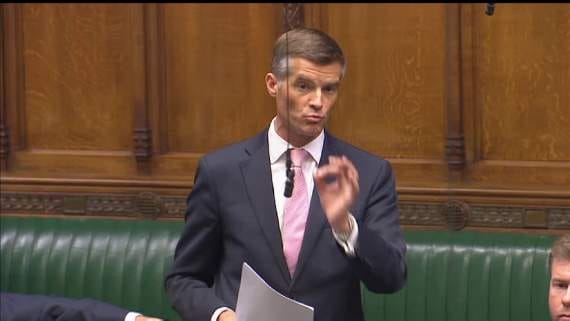
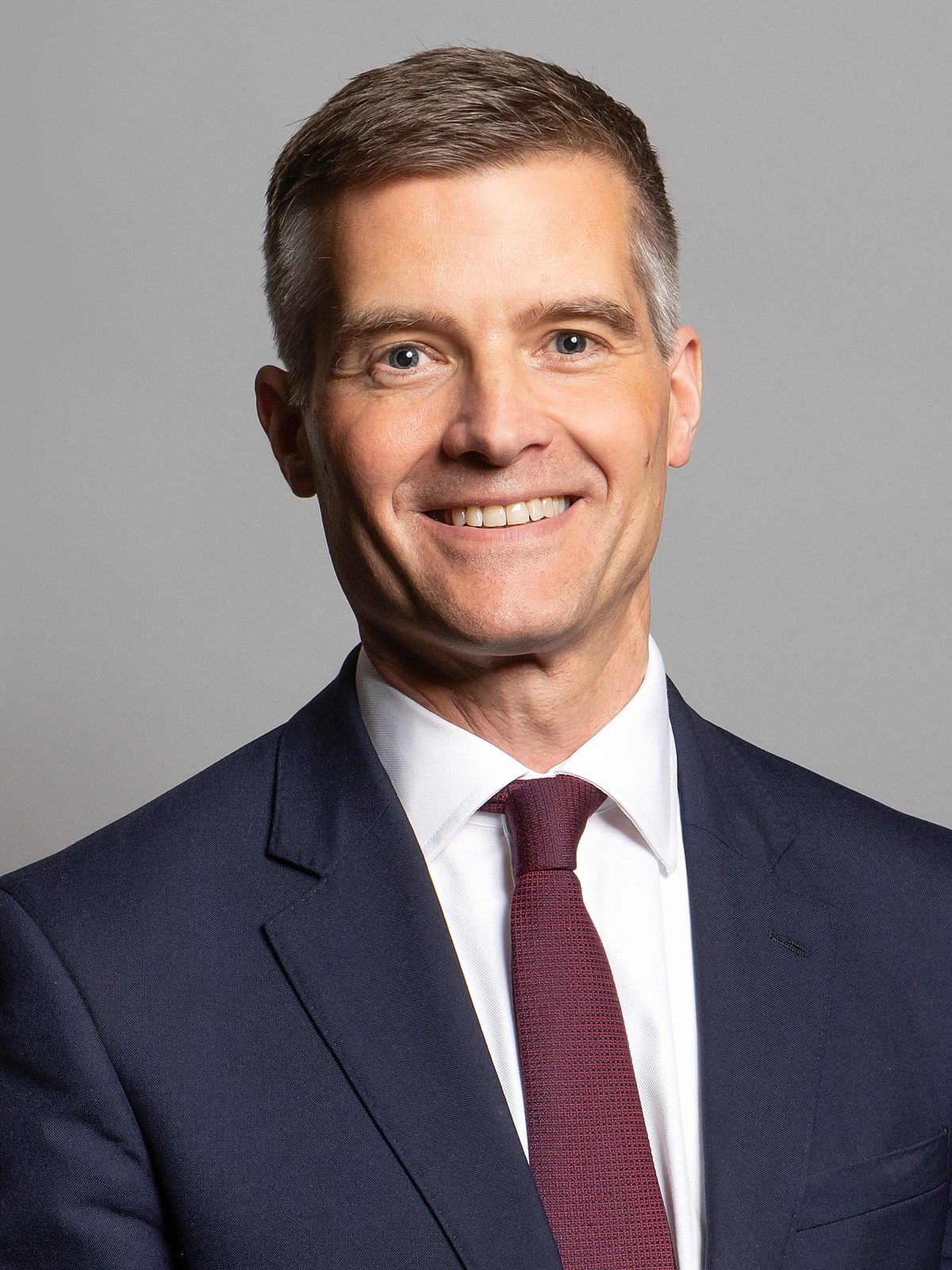
In A Nutshell…
Name: Mark Harper
Party: Conservative
Position: Secretary of State for Transport
Constituency: Forest of Dean
Majority: 15,869
Website: https://www.markharper.org/
Twitter: @Mark_J_Harper
The Secretary of State is responsible for:
- overall responsibility for the policies of the Department for Transport
- cabinet responsibility for the Northern Powerhouse
- oversight of departmental COVID-19 responsibilities
Introduction
He was a supporter of Rishi Sunak’s during both his leadership bids, stating that the now Prime Minister: “represents a return to traditional Conservative values and has an exciting vision for the future of our country.”
In April 2022, Mr. Harper submitted a letter of no confidence in the Prime Minister Boris Johnson, in the wake of the Partygate scandal. Mr. Harper said that Mr. Johnson was now “no longer worthy” of remaining Prime Minister.
During the pandemic, Mr Harper was a vocal opponent of lockdown restrictions as Chairman of the Covid Recovery Group of Conservative MPs. He backed the Remain Campaign during the 2016 EU referendum.
Speaking on his new role, Mr. Harper said via Twitter: “Delighted to be appointed secretary of state for transport by prime minister Rishi Sunak. Transport affects us all, and I can’t wait to tackle the challenges we face so we can deliver for communities across our United Kingdom.”
Previous Government Experience
Mark Harper returns to a ministerial post following an absence of six years. His last role was as Chief Whip (Parliamentary Secretary to the Treasury) from May 2015 until July 2016.
He served as Minister for Disabled People from July 2014 until May 2015. By the time he left this role, Mr. Harper had brought about a substantial reduction in the size of the backlog of Personal Independence Payment (PIP) claims.
He served as Minister for Immigration from September 2012 until February 2014. He resigned from the role as it was revealed his self-employed cleaner did not have permission to work in the UK. Over the summer of 2013, Harper trialled a campaign aimed at illegal immigrants that consisted, in part, of lorries with hoardings attached to their load areas driving around London displaying the sign “Here Illegally? Go Home or Risk Arrest” with more information in smaller print on how to contact the Home Office for advice. The scheme was seen as offensive by some and it divided opinion within the Coalition’s ministerial team.
He served as Minister for Political and Constitutional Reform from May 2010 until September 2012 and worked with Deputy Prime Minister, Nick Clegg, on the Parliamentary Voting System and Constituencies Act 2011 that offered the electorate a switch from ‘first-past-the-post’ to the Alternative Vote system for electing MPs. This would be rejected by voters in 2011 at a referendum.
In 2005, he was appointed Shadow Minister for Defence and in 2007 he served the Shadow Cabinet as Minister for Disabled People.
Views on Transport
This is Mr Harper’s first stint at the Department for Transport. His knowledge of the intricacies of transport is unknown, especially as there is a conspicuous absence of any current involvement in transport issues in his constituency.
As Transport Secretary he has responsibility for a general oversight of all areas, security of the sector, civil contingencies, supply chain and maritime.
It has been stated that his role as part of the Covid Recovery Group, will improve his perception of the value of a robust transport system.
In 2021, Mr Harper questioned the then Secretary of State for Transport, Grant Shapps, about whether whole sectors of the economy are now in a position to operate without significant taxpayers’ support. He stated that the travel and aviation sector is just one sector still affected by Government restrictions and employs people in the Forest of Dean and across the country. He stated that the sector must stand on “its own feet”.
Outside of Politics
Prior to entering the Commons, Mr Harper qualified as a chartered accountant with the professional services network, KPMG, in 1995. Until 2002 he worked for Intel Corporation in a variety of fields, including finance, business operations and marketing, before establishing his own chartered accountancy business in the Forest of Dean.
Related Articles

Gray Dawes Accelerates North American Growth with Acquisition of Executive Travel
A new chapter in our global growth story… We’re delighted to announce our acquisition of Executive Travel, one of the USA’s most respected corporate travel management companies.
Travel Talks – The New Travel Marketplace
The future of business travel isn’t about finding more travel content. It’s about making thousands of travel options feel like one simple search. That’s exactly what Antoine Boatwright, SVP IT Product & Change, discussed with Todd Arthur of Sabre, our GDS partner. They explored how the travel marketplace is evolving, what it means for travel managers, and why the best technology should hide complexity, not create it.

How to Prove the Value of Your Travel Programme
Cost savings are only one measure of a successful business travel programme. This blog explores how travel supports revenue growth, collaboration, employee engagement, strategic initiatives and risk management, and explains how tailoring reporting to different stakeholders can help demonstrate its true value across your organisation.