
From 12 October 2025, travel to the EU will change for British citizens.
A new system called the Entry/Exit System (EES) will come into force across the Schengen area, introducing new digital checks at the border. Understanding what this means, what you need to do when travelling, and how it fits into wider EU border changes is essential for anyone planning a trip to Europe.
In this guide to the EES, we give a comprehensive overview of everything you need to know, from the stages of its introduction and how it will affect your travel.
What is the EES?
EES is the EU’s Entry/Exit System, a digital border system designed to strengthen the Schengen area’s external borders. It will replace manual passport stamping with automated checks, recording when travellers enter and leave the Schengen area.
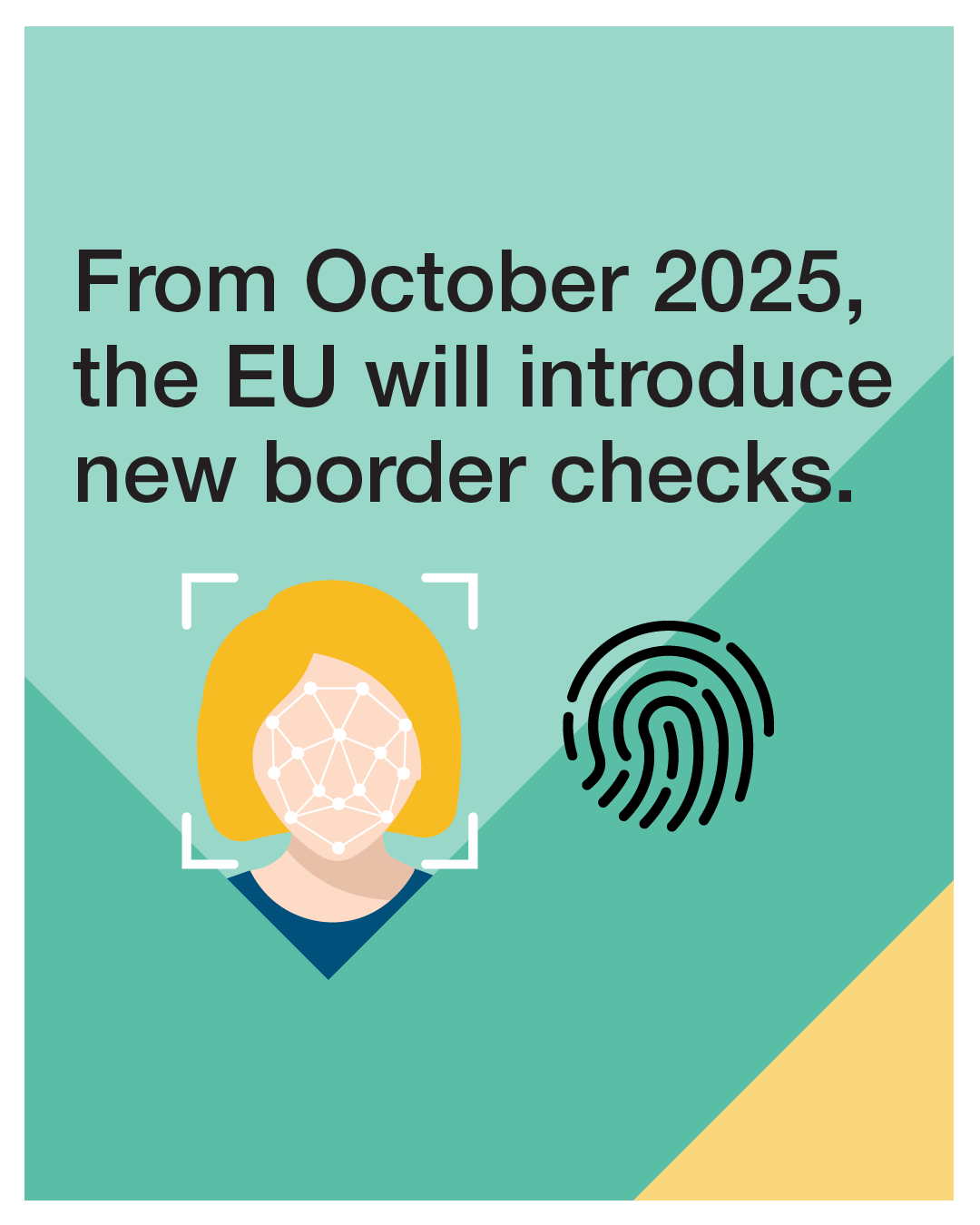
From 12 October 2025, British citizens and other non-EU travellers will have their entry and exit recorded digitally. Instead of a border guard stamping your passport, the EES will capture biometric information such as fingerprints and a facial image, alongside your passport details. This will create a secure, automated record of when you enter and leave the EU.
Most non-EU citizens, including British travellers, will need to register their biometric details (fingerprints and a photo) at the border. Registration typically takes only a few minutes and requires no advance action. The system will be rolled out gradually across airports, seaports, and other border points until April 2026, so initial experiences may differ.
Who it Applies To
Non-EU citizens and non-EU residents on short stays. Long-stay visa and residence permit holders are exempt. British citizens covered under the Withdrawal Agreement are also exempt if they can show the appropriate residence document.
What Countries Are Included?
EES applies to the Schengen area, which includes the countries below:
Austria
Belgium
Bulgaria
Croatia
Czech Republic
Denmark
Estonia
Finland
France
Germany
Hungary
Iceland
Italy
Latvia
Liechtenstein
Lithuania
Luxembourg
Malta
Netherlands
Norway
Poland
Portugal
Romania
Slovakia
Slovenia
Spain
Sweden
Switzerland
How Will EES Work?
First Time Registrations
On your first trip after implementation, you will scan your passport, provide fingerprints, and have a photo taken. Border staff may ask basic questions about your trip, such as return travel plans.
Subsequent Visits
If you return within three years using the same passport, you only need to update your digital record with a single biometric check. After three years or with a new passport, a full new registration is required.
Exit Checks
Biometric checks will also occur on leaving the Schengen area. Travelling within the Schengen zone does not require EES checks.
Price & Accessibility
Children under 12 will be photographed but not fingerprinted. Accessibility arrangements vary by port; travellers should consult staff or carriers if needed. EES registration is free. Any request for payment is fraudulent.
Practical Advice
EES will be phased in over six months, with full implementation by 10 April 2026. Travellers should allow extra time at borders during this period, especially at major points like the Port of Dover, Eurotunnel, and St Pancras where French authorities operate juxtaposed controls.
Documentation
Most British citizens only need a valid passport. Residents covered by the Withdrawal Agreement must carry their EU-format residence document. For transit and cruises, EES applies if passing through border controls. Cruise passengers who embark and disembark in the UK are generally exempt unless continuing into the Schengen area.
Trip Duration
British citizens do not need a visa for stays up to 90 days in a rolling 180-day period. EES does not change this rule but will make enforcement more accurate. Travellers exceeding 90 days may face fines, denied entry, or a temporary ban of 1–3 years.
Security
Refusing biometric registration may result in denied entry. EES ensures secure storage of personal data, accessible only to authorised staff, in compliance with EU privacy standards. Dual UK-EU citizens may use their EU passport to avoid EES. Non-EU travellers with multiple passports should bring them all and follow border staff guidance.
What About ETIAS?
The European Travel Information and Authorisation System (ETIAS) is a separate scheme that is slated to launch Autumn 2026, after the EES is fully in place. Unlike EES, which records your entry and exit at the border, ETIAS is a pre-travel authorisation system.
Most visa-exempt non-EU travellers, including British citizens, will need to apply online and pay a €20 fee before travelling to the Schengen area or Cyprus. Once approved, ETIAS will be valid for multiple trips over three years.
Key Differences
- EES – Happens at the border; collects biometric data and replaces passport stamping. Free of charge.
- ETIAS – Happens before travel; an online authorisation that screens visitors in advance. Paid.
Are You Prepared for EES?
The EES marks a major change in how British travellers enter the Schengen area. While it adds steps at the border, it improves security, prevents overstays, and digitises the border process.
From 12 October 2025, be ready to provide your biometric details and allow extra time during the phased rollout. For more official guidance and updates, visit the EES information page on the UK Government website.
Related Articles

Connecting the UK with Asia and Beyond
As one of the world’s leading international airlines, it continues to invest in its network, onboard experience and customer services to make business travel more comfortable, convenient and rewarding. With up to five daily flights from London Heathrow and a daily service from Manchester to Hong Kong, Cathay Pacific offers UK businesses convenient access to one of the world’s most important commercial hubs, alongside connections to destinations throughout Asia-Pacific and beyond. Here’s a closer look at what business travellers can enjoy when flying with Cathay Pacific.

Oslo: A Business Traveller’s Guide
Set against the backdrop of the sparkling Oslofjord, Oslo has transformed from a Viking-era trading settlement (where it was known as Ánslo) into one of Northern Europe’s most forward-thinking corporate communities. In this comprehensive guide to the city for business travellers, we’ll take a closer look at navigating the city’s unique corporate landscape, share our top tips for getting around, and pick out three of the best things to see or do when you have some time away from the meeting room.

Gray Dawes Travel and Berg-Hansen Join Forces
Gray Dawes Travel, the multi-award-winning independent global travel management company, has agreed to a strategic partnership with Berg-Hansen, Norway’s market-leading business travel and events company, strengthening the international servicing capabilities available to clients of both organisations.
CALL US
+61 2 9993 9000
EMAIL US
sales.au@gdg.travel
ALWAYS HERE
Mon – Sun, 24 hours a day
LET’S TALK
Fill in the form below and we’ll get back to you as soon as we can.