
What is the ETIAS Pass?
The European Travel Information and Authorization System (ETIAS) is a new system that will be required for visa-exempt travellers to enter the Schengen Zone, which includes 26 European countries. The ETIAS will be similar to the US ESTA system, and will require travellers to submit an online application and pay a fee.
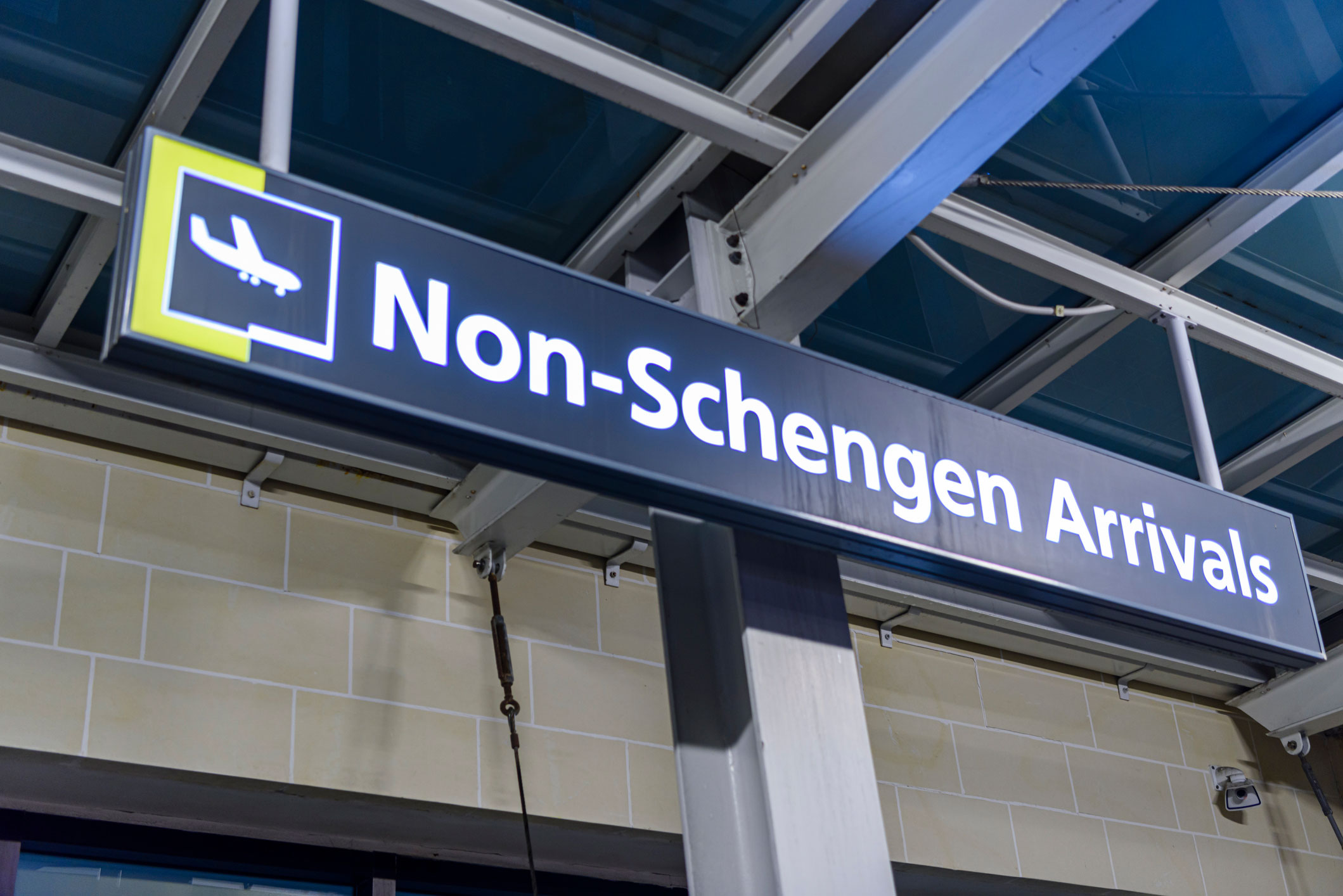
Though no concrete date has been set, British citizens will eventually be required to have an ETIAS pass to enter the Schengen Zone, with a potential release touted for October 2025. However, there are a number of ways that British travellers could encounter issues when applying for or using an ETIAS pass. In this article, we will be taking a deeper look into the ETIAS pass and giving our advice on how to avoid potential issues and delays when it is introduced.
The number of years an ETIAS pass will be valid
The proposed cost of an ETIAS pass once released
Months in advance travellers need to apply
Potential Issues with the ETIAS Pass
The Electronic European Travel Information and Authorisation System (ETIAS) is an idea that is still in its infancy. While the system is being implemented, and individuals learn how to navigate it, business travellers and holidaymakers may encounter issues that could cause their trip to be delayed.
Application Issues
The ETIAS application process is relatively straightforward, but there are a number of things that could lead to a British traveller’s application being rejected. For example, travellers must provide accurate and up-to-date information on their application, and they must also pay the application fee. If any of this information is incorrect or incomplete, the application could be rejected.
Travellers should also be aware of the specific requirements for each Schengen country. Some countries require travellers to have a passport that is valid for at least three months after their intended date of departure, while others require at least six.
Border Issues
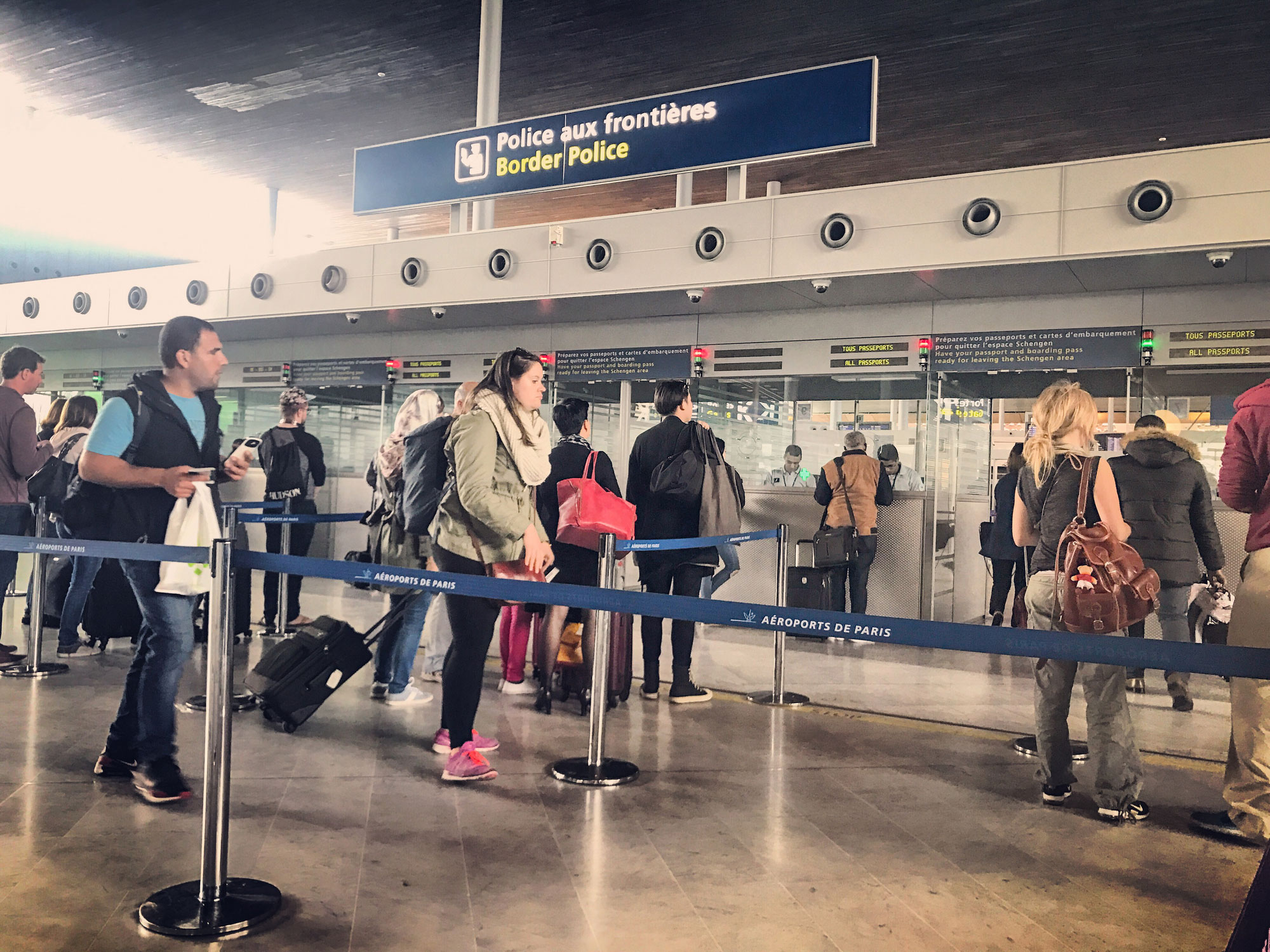
Even if a British traveller’s ETIAS application is approved, they could still encounter issues at the border. For example, border guards may ask the traveller questions about their travel plans or their criminal history. If the traveller gives the wrong answers or if the border guards have any concerns, they could refuse the traveller entry into the Schengen Zone.
In addition, border guards may use the ETIAS system to check for any security risks associated with the traveller. If the border guards find any security risks, there may be extra interviews that could delay your travel plans indefinitely.

What Is The Schengen Zone?
Learn more about the Schengen Zone and what it means for UK business travellers.

Four Ways to Avoid ETIAS Issues
#1 – Plan Early
The ETIAS application process can take a few days, so it’s important to start planning early, especially if you’re travelling during peak season. As the system remains in its early stages, you may need to remain patient to delays in processing applications.
#2 – Prepare Documents
Make sure that you have all of the proper documents to hand when applying for an ETIAS pass. You’ll need a valid passport, a credit or debit card, and any other information that pertain to your intended travel or stay.
#3 – Pay Application Fee
Be prepared to pay the €7 ETIAS application fee. Although travellers under the age of 18 or over the age of 70 are exempt from the fee, they will still need the pass to travel.
#4 – Answer Honestly
Even if you have completed your ETIAS application successfully, border guards may still ask you questions about your travel plans, your criminal history, or your reasons for visiting the Schengen Zone. Be prepared to answer them.
In Conclusion
It is crucial that British travellers prepare for the arrival of the new ETIAS pass if they wish to visit the Schengen Zone. Here are the key points to remember:
- Start planning early and make sure you have all the required documents.
- Complete the application carefully and pay the application fee.
- Be prepared to answer questions at the border.
- Be patient and understanding as the ETIAS system is still in its early stages.
Find out how we can help you navigate the introduction of ETIAS with our ‘always on’, high touch service.
Related Articles

Flying Further with Lufthansa Group
We recently spoke to our friends at Lufthansa Group about their global reach, WiFi powered by Starlink, how they’re celebrating 25 years of PartnerPlusBenefit and so much more, including their expanding SWISS Senses A350 fleet.

Travel Talks – Beyond Wellbeing
Business travel can be rewarding, but the demands of frequent travel can also take a toll. We look beyond traditional traveller wellbeing to explore the mental health realities of business travel – from travel burnout and decision fatigue to their impact on traveller behaviour, policy compliance and programme performance.

5 Questions Every Travel Manager Should be Asking About Service
Service is what ties together the reality of day-to-day travel. It’s also the hardest thing to assess. Every TMC will tell you their service is excellent. So the trick is knowing which questions to ask to get a better gauge on how they stack up. In this article, we give 5 questions that you should have on their list when looking for a new TMC, reviewing an existing partnership, or simply wondering whether you’re getting the very best service for you.