
From 12 October 2025, travel to the EU will change for British citizens.
A new system called the Entry/Exit System (EES) will come into force across the Schengen area, introducing new digital checks at the border. Understanding what this means, what you need to do when traveling, and how it fits into wider EU border changes is essential for anyone planning a trip to Europe.
In this guide to the EES, we give a comprehensive overview of everything you need to know, from the stages of its introduction and how it will affect your travel.
What is the EES?
EES is the EU’s Entry/Exit System, a digital border system designed to strengthen the Schengen area’s external borders. It will replace manual passport stamping with automated checks, recording when travelers enter and leave the Schengen area.
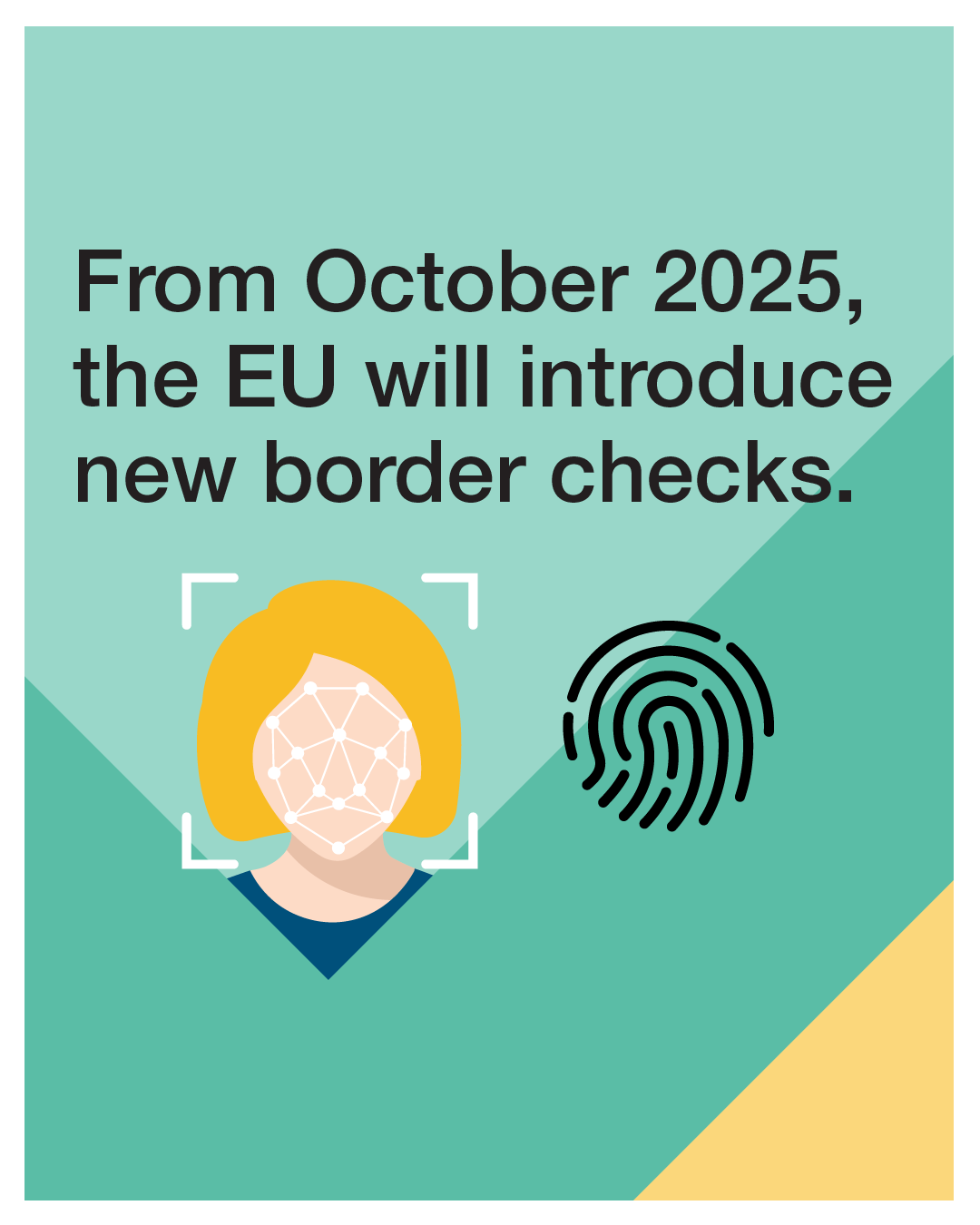
From 12 October 2025, British citizens and other non-EU travelers will have their entry and exit recorded digitally. Instead of a border guard stamping your passport, the EES will capture biometric information such as fingerprints and a facial image, alongside your passport details. This will create a secure, automated record of when you enter and leave the EU.
Most non-EU citizens, including British travelers, will need to register their biometric details (fingerprints and a photo) at the border. Registration typically takes only a few minutes and requires no advance action. The system will be rolled out gradually across airports, seaports, and other border points until April 2026, so initial experiences may differ.
Who it Applies To
Non-EU citizens and non-EU residents on short stays. Long-stay visa and residence permit holders are exempt. British citizens covered under the Withdrawal Agreement are also exempt if they can show the appropriate residence document.
What Countries Are Included?
EES applies to the Schengen area, which includes the countries below:
Austria
Belgium
Bulgaria
Croatia
Czech Republic
Denmark
Estonia
Finland
France
Germany
Hungary
Iceland
Italy
Latvia
Liechtenstein
Lithuania
Luxembourg
Malta
Netherlands
Norway
Poland
Portugal
Romania
Slovakia
Slovenia
Spain
Sweden
Switzerland
How Will EES Work?
First Time Registrations
On your first trip after implementation, you will scan your passport, provide fingerprints, and have a photo taken. Border staff may ask basic questions about your trip, such as return travel plans.
Subsequent Visits
If you return within three years using the same passport, you only need to update your digital record with a single biometric check. After three years or with a new passport, a full new registration is required.
Exit Checks
Biometric checks will also occur on leaving the Schengen area. Traveling within the Schengen zone does not require EES checks.
Price & Accessibility
Children under 12 will be photographed but not fingerprinted. Accessibility arrangements vary by port; travelers should consult staff or carriers if needed. EES registration is free. Any request for payment is fraudulent.
Practical Advice
EES will be phased in over six months, with full implementation by 10 April 2026. Travellers should allow extra time at borders during this period, especially at major points like the Port of Dover, Eurotunnel, and St Pancras where French authorities operate juxtaposed controls.
Documentation
Most British citizens only need a valid passport. Residents covered by the Withdrawal Agreement must carry their EU-format residence document. For transit and cruises, EES applies if passing through border controls. Cruise passengers who embark and disembark in the UK are generally exempt unless continuing into the Schengen area.
Trip Duration
British citizens do not need a visa for stays up to 90 days in a rolling 180-day period. EES does not change this rule but will make enforcement more accurate. Travelers exceeding 90 days may face fines, denied entry, or a temporary ban of 1–3 years.
Security
Refusing biometric registration may result in denied entry. EES ensures secure storage of personal data, accessible only to authorized staff, in compliance with EU privacy standards. Dual UK-EU citizens may use their EU passport to avoid EES. Non-EU travelers with multiple passports should bring them all and follow border staff guidance.
What About ETIAS?
The European Travel Information and Authorization System (ETIAS) is a separate scheme that is slated to launch Autumn 2026, after the EES is fully in place. Unlike EES, which records your entry and exit at the border, ETIAS is a pre-travel authorization system.
Most visa-exempt non-EU travelers, including British citizens, will need to apply online and pay a €20 fee before traveling to the Schengen area or Cyprus. Once approved, ETIAS will be valid for multiple trips over three years.
Key Differences
- EES – Happens at the border; collects biometric data and replaces passport stamping. Free of charge.
- ETIAS – Happens before travel; an online authorization that screens visitors in advance. Paid.
Are You Prepared for EES?
The EES marks a major change in how British travelers enter the Schengen area. While it adds steps at the border, it improves security, prevents overstays, and digitizes the border process.
From 12 October 2025, be ready to provide your biometric details and allow extra time during the phased rollout. For more official guidance and updates, visit the EES information page on the UK Government website.
Related Articles

Travel Talks – LGBT+
In this episode of our award-winning webinar series, Brit Clayton, Gray Dawes Travel’s Diversity and Inclusion Manager, and Sophie Taylor, Chief Technical Officer, discuss their own business travel experiences and share 𝘁𝗼𝗽 𝘁𝗶𝗽𝘀 𝗳𝗼𝗿 𝗟𝗚𝗕𝗧+ 𝘁𝗿𝗮𝘃𝗲𝗹𝗹𝗲𝗿𝘀, helping you navigate the world with confidence.

Beyond the Boardroom
Unlocking the Future of Business Travel For too long, business travel has been misrepresented as the exclusive domain of C-Suite executives and international flights. But the Business Travel Association (BTA) saw a different picture emerging - one rooted in everyday...

How Do Gen Z Travel for Business?
As more and more members of Gen Z enter the workforce, businesses want to understand what makes them tick and tap into their potential as new employees and customers. For Gen Z, business travel isn’t just about meetings and clocking miles – it’s about purpose. In this blog, we explore how Gen Z might approach business travel differently from previous generations, what values influence their travel behaviours, and the key takeaways for travel managers and bookers looking to serve them better.
CALL US
EMAIL US
info@gdg.travel
ALWAYS HERE
Mon - Sun, 24 hours a day
LET'S TALK
Fill in the form below and we'll get back to you as soon as we can.