
The global aviation sector is once again navigating turbulence…
In this article, we take a closer look at the situation in the Middle East and explain what rising fuel costs might mean for global air travel.
THE ROOT CAUSE
Fuel Supply Disruption
At the heart of the issue lies the Strait of Hormuz, a critical artery through which roughly 20% of the world’s oil supply typically flows. Disruption in this region has triggered a sharp spike in oil and jet fuel prices, with aviation fuel in some markets rising by 70% to over 100% in a matter of weeks.
Unlike crude oil, jet fuel is less flexible in its supply chain. It depends on specific refining processes and established distribution networks, which are now under severe strain. As a result, the aviation industry is facing what many analysts describe as its most significant operational challenge since the pandemic.
For context, fuel typically accounts for 20–30% of airline operating costs. When that cost doubles, the impact is immediate and far-reaching.
What Airlines are Doing
Airlines have moved quickly to mitigate the financial shock, but the options are limited.
1) Increasing Fares
Ticket prices are rising across both short and long-haul routes. In some cases, surcharges are being applied retrospectively, particularly on group or specialist travel (such as pilgrimage travel).
2) Cutting Capacity
Globally, airlines have already removed millions of seats from schedules. Around 2 million seats have been cut in May alone, as carriers scale back unprofitable routes and conserve fuel.
3) Cancelling or Restructuring Routes
Long-haul routes, especially those connecting Europe and Asia via the Middle East, are most affected. Airspace closures have forced rerouting, increasing flight times and fuel burn.
4) Accelerating Fleet Efficiency
Airlines are prioritising newer, more fuel-efficient aircraft and retiring older fleets faster than planned. While this is positive in the long-term, it significantly reduces its short-term capacity.
What This Means for Business Travel
For corporate travel programmes, the implications extend well beyond potentially higher ticket prices.
Budget Volatility
Travel budgets set even a quarter ago may now be significantly under pressure. With jet fuel prices doubling in some regions, airlines are passing through costs quickly and dynamically.
Reduced Availability
Fewer flights and tighter capacity mean less choice, particularly on key international routes. This can impact traveller productivity, forcing longer journeys or less convenient schedules.
Increased Disruption
Fuel shortages, especially in fuel-import-dependent regions like the UK, raise the risk of last-minute cancellations or schedule changes.
Supplier Instability
Low-cost carriers are particularly exposed. The recent collapse of one airline highlights how fuel volatility can trigger wider industry consolidation.
Practical Guidance for Travel Managers and Bookers
While the macro environment is outside anyone’s control, there are several practical steps organisations can take to maintain programme resilience.
Reforecast & Communicate Early
Revisit travel budgets now. Build in contingency for continued fuel volatility over the next 3–6 months. Clear communication with stakeholders is essential to manage expectations around rising costs.
Book Earlier, But Smarter
Advance booking remains key, but flexibility matters more than ever. Prioritise fares that allow changes, especially for critical trips. With schedules shifting frequently, rigidity can become costly.
Diversify Carriers & Routes
Avoid over-reliance on a single airline or hub. Explore alternative routings that bypass high-risk regions. Secondary hubs or indirect routes may offer greater reliability, even if they end up being slightly longer.
Strengthen Policy Compliance
In times of unexpected global volatility, unmanaged bookings can significantly inflate costs. Reinforce policy adherence and consider tightening controls around premium cabin usage unless it’s absolutely justified.
Leverage TMC Expertise
Gray Dawes Travel are closely monitoring airline capacity, fare movements, and disruption trends in real time. Use this insight to guide booking strategies and traveller communications.
Review Travel Necessity
This is an opportunity to reassess the value of each trip. Hybrid working has already reshaped travel demand, now is the time to prioritise high-impact journeys and consider virtual alternatives where appropriate.
Advice for Travellers
Business travellers themselves also need to adapt to the new environment.
- Plan for disruption: allow longer connection times and consider backup options.
- Stay informed: monitor airline communications closely in the days leading up to departure.
- Know your rights: UK and EU regulations still apply in many cases, offering rebooking or refunds for cancellations, though compensation may be limited in extraordinary circumstances.
- Consider multimodal travel: for regional journeys, rail alternatives may offer greater reliability during periods of aviation disruption.
Final Thoughts…
Rising fuel costs are not just an airline issue, they are a systemic challenge affecting every part of the travel ecosystem. For business travel professionals, this is a moment to lean into strategic planning, data-driven decision-making, and proactive communication.
While the current environment is complex, it also reinforces the value of a well-managed travel programme, supported by a close partnership with your TMC. With the right approach, organisations can continue to travel effectively, even in turbulent times.
Related Articles

Hoe gaat u om met zakelijke reizen tijdens een crisis?
Onze dienstverlening is ‘Always On’, wat betekent dat reizigers overal ter wereld ondersteuning krijgen van een ervaren Operations Manager met een duidelijk actieplan.”

São Paulo: A Business Traveller’s Guide
Planning a business trip to São Paulo? This comprehensive guide introduces you to Brazil’s financial capital. From navigating its major airports and tackling world-famous traffic to understanding business etiquette and staying safe, this guide equips you with everything you need for a successful trip. You’ll also discover how to get around efficiently, where business travellers typically stay and meet, and the top experiences worth fitting into a busy schedule, including iconic landmarks, world-class art, and vibrant neighbourhoods.
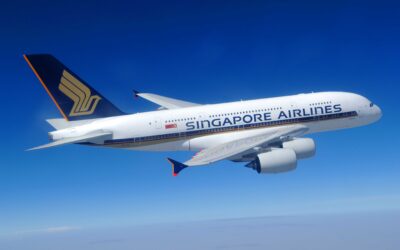
Experience the Difference with Singapore Airlines
We recently caught up with our friends at Singapore Airlines to talk about their selection of cabins, their newly refurbished airport lounges, and the experience they bring to business travellers.