
Airlines Update
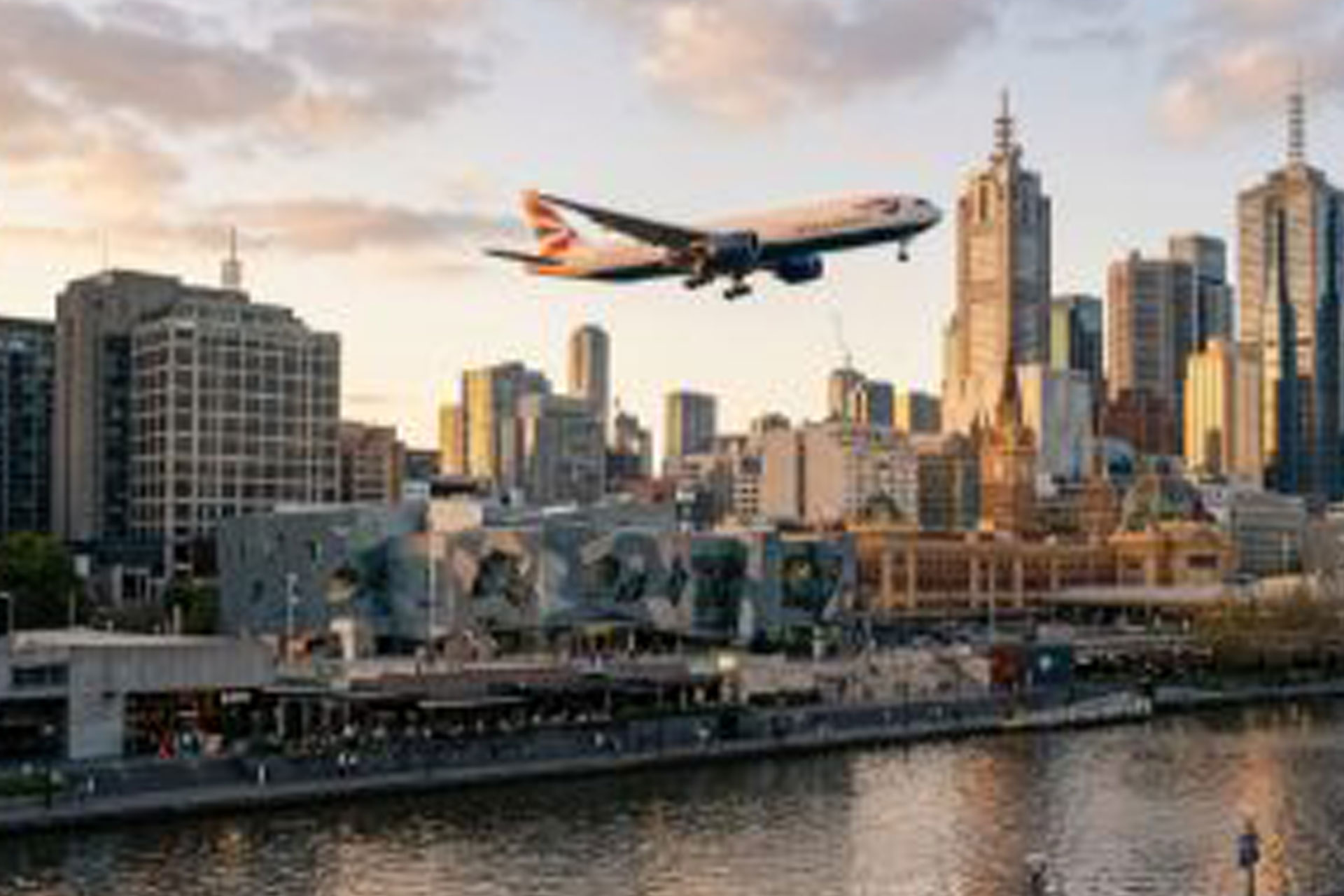
British Airways Returns to Melbourne
British Airways has announced its return to Melbourne from January 2027, launching a new daily service between Melbourne and London Heathrow via Kuala Lumpur. The move is a strong signal for the corporate travel sector, bringing increased international capacity and greater competition across key long-haul routes.
For Australian businesses, the return of British Airways provides valuable additional choice for travel programmes supporting international operations. Direct access into Heathrow also opens seamless onward connections throughout Europe and North America via the wider British Airways and International Airlines Group network, which spans more than 285 destinations globally.
As demand for premium corporate travel and flexible scheduling continues to grow, expanded airline competition and improved connectivity are welcome developments for organisations managing increasingly complex international travel requirements.

Air New Zealand Introduces ‘Skynest’
Long-haul travel continues to evolve, with Air New Zealand unveiling its innovative Economy Skynest concept — a world-first initiative introducing bookable lie-flat sleep pods for Economy and Premium Economy passengers.
Designed specifically for ultra-long-haul travel, Skynest reflects a broader shift in business travel priorities, where traveller wellbeing and rest are becoming just as important as cost and scheduling considerations. The concept aims to give passengers the opportunity to properly rest in-flight, helping improve comfort, recovery, and productivity upon arrival.
For corporate travellers flying between Australia, New Zealand and North America, innovations such as Skynest highlight the increasing demand for travel experiences that better support employee wellbeing and performance on the road.
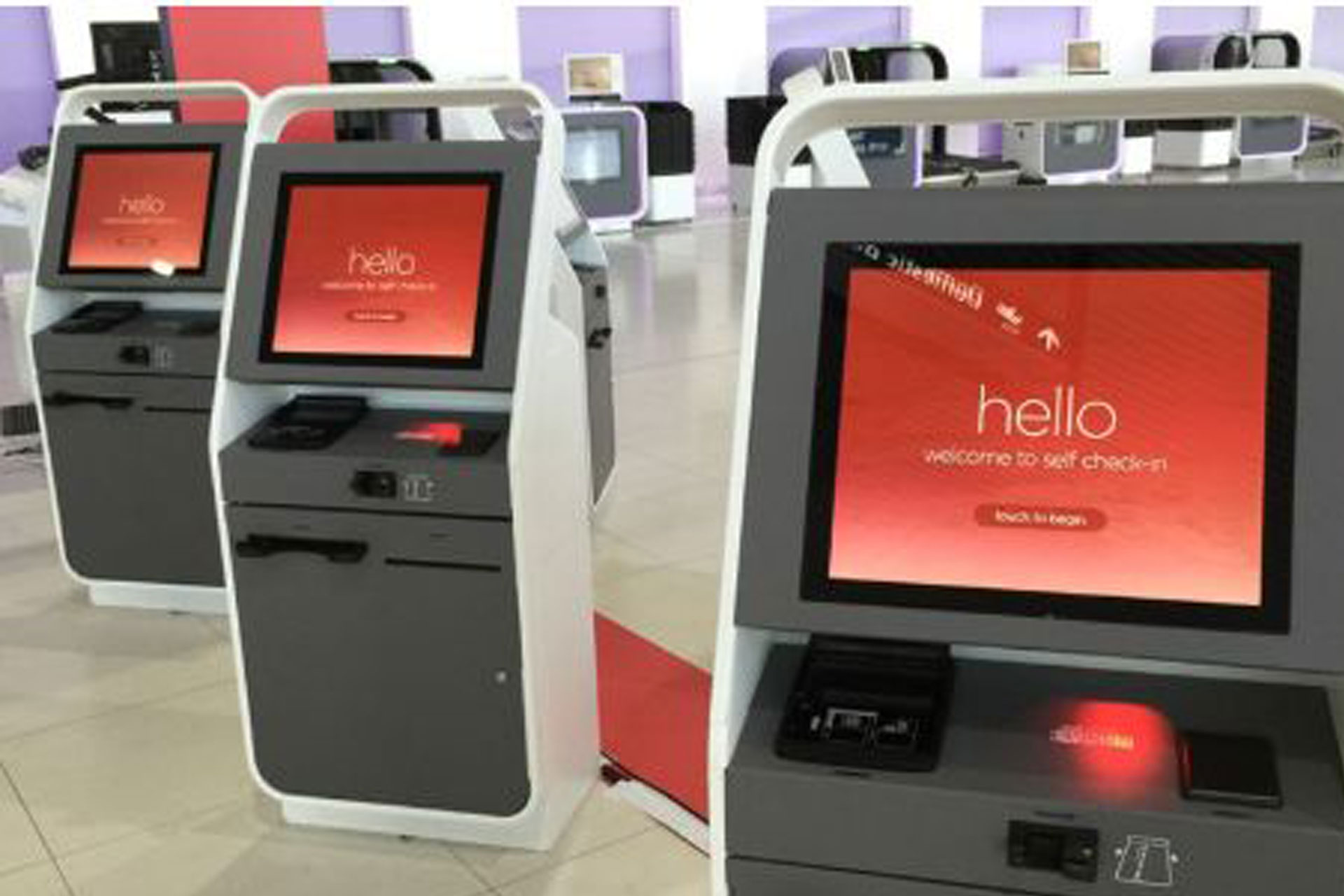
Virgin Australia Enhances the Traveller Experience
The business travel experience continues to evolve, with airlines investing heavily in smarter technology and more streamlined airport experiences. Virgin Australia’s latest upgrades to its mobile app and airport check-in processes reflect this growing focus on traveller convenience and efficiency.
For corporate travellers, seamless digital experiences are no longer considered an added benefit — they are now an expectation. From real-time support and intuitive booking tools to smoother traveller servicing, businesses are increasingly seeking travel programmes that combine technology with expert human support.
At Gray Dawes Travel, we remain focused on delivering connected travel experiences that simplify the journey for both travellers and travel managers, helping organisations keep their people moving efficiently and confidently.
Hotel Update
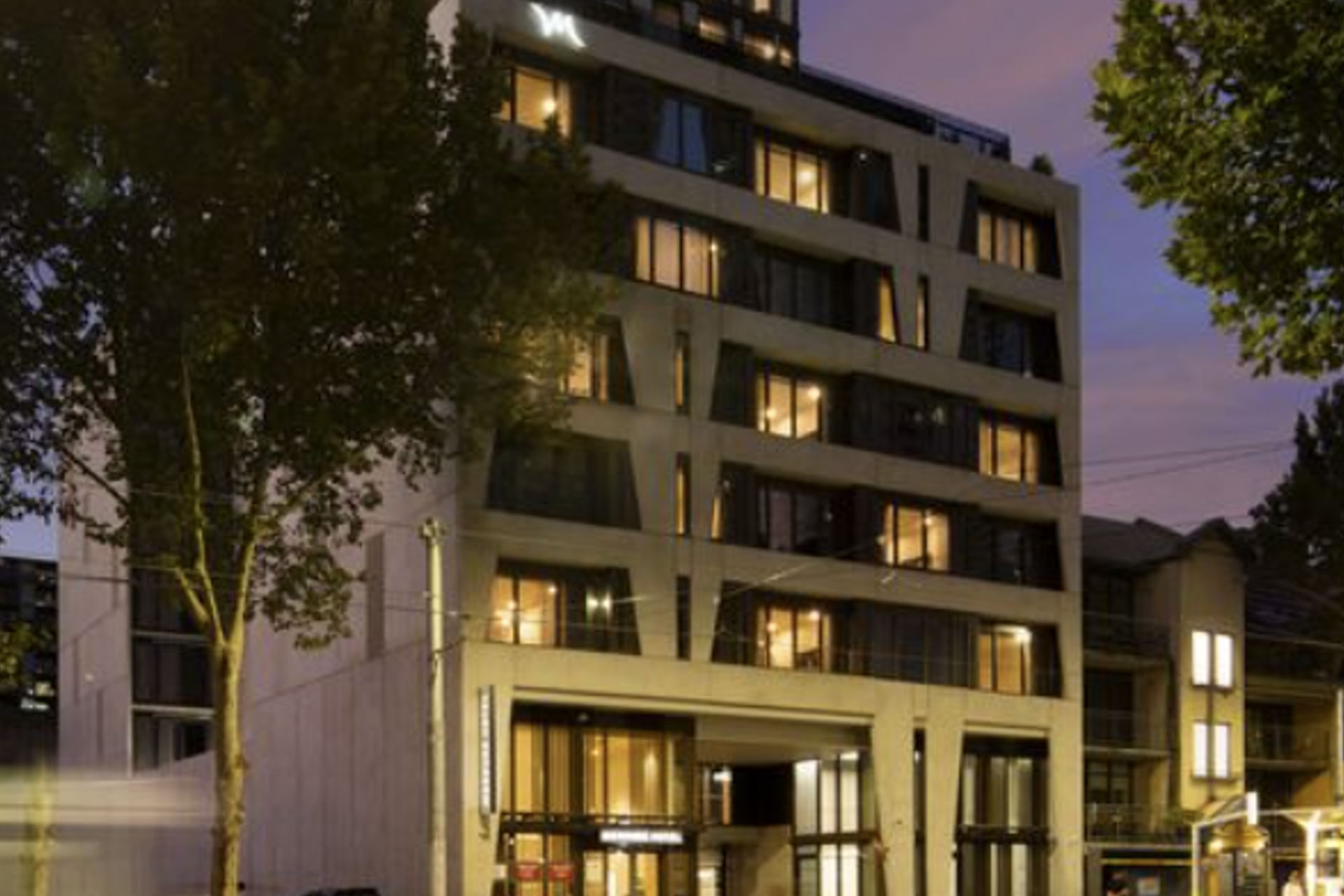
Mercure Melbourne La Trobe Street
Melbourne’s hotel landscape continues to expand with the opening of Mercure Melbourne La Trobe Street, a sophisticated new corporate accommodation option located in the heart of the CBD.
Positioned at 492 La Trobe Street, the property is the largest purpose-built hotel to open in Melbourne’s CBD this year. The hotel features 195 rooms, including six suites, alongside a restaurant and bar, Foundry, plus an on-site gym and curated guest amenities designed to support modern business travellers.
The property also offers strong transport connectivity, located just steps from a tram stop, a seven-minute walk from Flagstaff Station, and approximately 15 minutes on foot from Southern Cross Station. Melbourne Airport can be reached in around 30 minutes by car or 45 minutes via public transport.

Radisson RED Auckland Opens in the CBD
Radisson Hotel Group has officially launched its first New Zealand property with the opening of Radisson RED Auckland, marking both the brand’s debut in New Zealand and the first Radisson RED hotel in Australasia.
Located in Auckland’s vibrant Art District, the 322-room hotel introduces a new upper-upscale accommodation option for corporate and leisure travellers visiting the city. In the coming months, the property is set to unveil Australasia’s largest outdoor rooftop venue, featuring a restaurant, bar and event space overlooking the Auckland skyline.
The opening further strengthens Auckland’s premium hotel offering, providing business travellers with additional accommodation choice in a central CBD location.
Related Articles

Tokyo: A Business Traveller’s Guide
From the moment you step off the plane, Tokyo announces itself as somewhere unlike anywhere else on earth. From trains that arrive to the second and immaculate streets to a unique business culture built on hierarchy and respect, the capital of Japan is an iconic business travel destination. It is also a city of contrasts. Ancient Shinto shrines stand in the shadows of gleaming skyscrapers, and centuries-old tea ceremonies take place just streets from the Tokyo Stock Exchange. In this comprehensive guide for business travellers, we help you navigate Tokyo’s unique business ecosystem, share practical tips for getting around, and highlight our top 3 things to see or do to make your trip unforgettable.

7 of the Most Memorable Hotels From TV and Film
n the movies and on TV, a hotel is rarely just a place to sleep — it’s a stage for drama, comedy, fear, romance and unforgettable encounters. In the BBC Radio 4 feature Seven of the most memorable hotels in film and TV, hosts Ellen E. Jones and Mark Kermode unpack why hotels make such rich settings for storytelling, acting as hermetically sealed worlds where lives collide, secrets simmer and anything can happen.

Getting the Most from Procurement Portals When Selecting Your TMC
Procurement portals are now a common way to run Travel Management Company RFPs, offering structure and consistency for procurement teams. But when portals are poorly configured, they can unintentionally limit supplier responses, create unnecessary friction, and make it harder to assess what truly differentiates one TMC from another.
Based on extensive experience responding to portal-based RFPs, this guide from Gray Dawes Travel shares nine practical ways travel managers and procurement leads can attract higher-quality responses, improve evaluation, and achieve better outcomes from the process.