
5 hidden costs of managing business travel in house
Are you getting the best value from managing travel yourself?Managing business travel internally might seem like a good choice at first glance…
You feel as though you have total control over how much you spend and the ways in which your employees travel. But the reality is a little different.
Across organisations of all sizes, in-house travel management can lead to costs that are rarely accounted for in the travel budget. From missing out on savings from negotiated rates to losing time trying to manage complex logistics, there are numerous reasons why in-house management isn’t always as ideal as it sounds.
In this article, we give five of the most significant hidden costs that are consistently underestimated by organisations managing travel for themselves.
5 Hidden Costs of In-House Travel Management
1) The Cost of Staff Time
Every hour your team spends researching fares, chasing approvals, processing expense claims, or resolving travel disruptions is an hour not spent on doing what you do best. Think of all the effort it takes to book a trip. Shopping around for price comparisons, seeking internal sign-off, and then settling all post-trip expenses. It’s a mammoth task which, when multiplied across hundreds of trips per year, could end up costing more than the perceived savings of keeping travel in-house.
2) Missed Negotiated Rates
TMCs, like Gray Dawes Travel, often negotiate preferential rates with airlines, hotel groups, and car hire providers at a volume and frequency that most individual businesses cannot match. Without access to these rates, in-house teams typically book at generic retail prices. Studies from the GBTA estimate that organisations without a managed travel programme can overspend by 15–25% per trip compared to those with a consolidated, professionally managed approach. Over a year, across an travel programme, that is a lot.
3) Duty of Care Risk Exposure
Organisations should know where their travellers are, particularly during disruptions, political instability, or medical emergencies. Without a centralised travel management system, fulfilling this obligation can be complex. In-house teams often lack the 24/7 support, real-time traveller tracking, and crisis response experience that a specialist TMC provides. A single incident, whether it be a traveller getting stuck in a foreign country or a sudden medical emergency, can lead to extra costs and responsibilities exceed any apparent savings.
4) Fragmented Data Issues
Effective travel spend management depends on having accurate data all in one place. It’s crucial to know where money is going, which suppliers are used, which policies are being followed, and where savings opportunities exist. In-house teams typically draw from multiple disconnected booking sources, making accurate reporting time-consuming and (occasionally) inaccurate. Without full visibility, such as you get with YourData, organisations will struggle to negotiate effectively with suppliers, enforce policy, or identify potential savings.
5) Disruption & Rebookings
Flight cancellations, delays, and schedule changes are a common feature of business travel. The cost of disruption extends beyond rebooking fees. It includes lost time, missed meetings, and hours spent resolving issues that a TMC would handle immediately. Organisations without access to 24/7 travel teams have to shoulder these costs in full. A managed programme with ‘Always On’ support turns what could be a major headache into a quickly resolved inconvenience.
The Real Question is Whether Managing Your Travel In-House is Actually Giving You Maximum Value.
When you consider factors such as the cost of staff time, the lack of negotiated rates, and the importance of duty of care, keeping travel in-house rarely isn’t as attractive as it first appears.
Organisations that partner with a TMC don’t simply gain a team to book their flights and hotels. They secure special access to rates, consolidated data, and a level of traveller support that an in-house function cannot realistically replicate without significant investment.
Related Articles

How to Handle Business Travel in a Crisis
In a perfect world, business travel plans would unfold exactly as they’re supposed to. Reality, however, is far less predictable and crises such as natural disasters, political unrest, or sudden logistical changes can flip a business trip on its head. In this article, we speak to Ally Knight, Director of Operations at Gray Dawes, about the importance of keeping travellers informed, the benefits of having a well-oiled response strategy, and the power of our TripSure app in keeping travellers safe.

São Paulo: A Business Traveler’s Guide
Planning a business trip to São Paulo? This comprehensive guide introduces you to Brazil’s financial capital. From navigating its major airports and tackling world-famous traffic to understanding business etiquette and staying safe, this guide equips you with everything you need for a successful trip. You’ll also discover how to get around efficiently, where business travellers typically stay and meet, and the top experiences worth fitting into a busy schedule, including iconic landmarks, world-class art, and vibrant neighbourhoods.
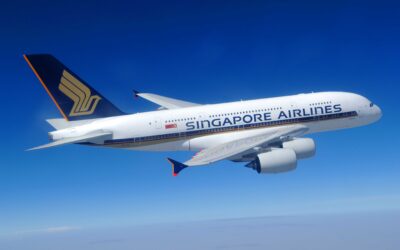
Experience the Difference with Singapore Airlines
We recently caught up with our friends at Singapore Airlines to talk about their selection of cabins, their newly refurbished airport lounges, and the experience they bring to business travellers.